

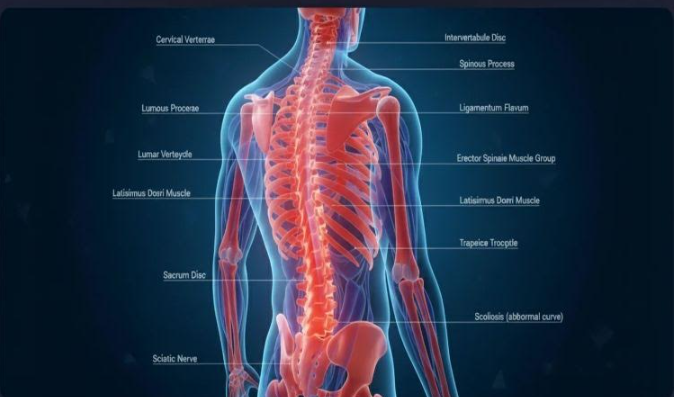
For most expectant mothers, pregnancy is a journey filled with major milestones, nesting instincts, and an overwhelming amount of planning. But alongside the excitement, there is often a less welcome companion: lower back discomfort. It is one of those symptoms that people talk about as a standard rite of passage, a casual “just wait until the second trimester” warning.
However, when a person is actually living through it, waking up multiple times a night just trying to find a comfortable angle, it stops feeling like a minor milestone. Understanding why this happens and recognizing what the body is trying to communicate can make the experience far less daunting. For those experiencing severe discomfort, seeking specialized back pain treatment in bangalore can provide safe, effective relief during this critical time.
Back Pain Causes Explained Simply
One might think back pain in pregnancy comes only from the added weight of a developing infant. Yet, though that plays a role, what happens inside the body across those months involves deeper, less obvious processes. The shifts go far beyond just carrying a heavier load.
- 1. The Hormonal Shift: Very early in pregnancy, the body begins releasing a hormone called relaxin. True to its name, its primary job is to relax the ligaments in the pelvic area to prepare for childbirth. However, relaxin doesn’t just stay localized; it affects connective tissues throughout the entire body, including those anchoring the spinal column. As tension decreases in these structures, stability is compromised, which often results in a persistent soreness or brief stabs of pain when shifting positions quickly.
- 2. The Center of Gravity Migration: As the uterus expands, the body’s center of gravity shifts forward. To keep from toppling over, a person naturally leans back slightly, exaggerating the curve of the lower spine. When posture changes like this, the lower back muscles face constant pressure, forced to work overtime just to keep the body upright.
- 3. Muscle Separation: As the baby grows, the abdominal muscles—specifically the rectus abdominis muscles running from the ribcage to the pubic bone—are stretched to their absolute limits. In many cases, these muscles actually separate along the center line. Because the core and the back muscles work as a team to support the torso, a weakened abdominal wall means the back has to carry the structural load entirely on its own.
Spotting the Symptoms: What Does It Feel Like?
Not all pregnancy back pain is created equal. The sensation can range from a slight discomfort to a sudden, stabbing pain that severely hampers movement, depending entirely on its root origin.
- The Deep Pelvic Ache: Rooted low in the pelvis—often called posterior pelvic discomfort—this presents as a persistent, muted throb near the base of the spine. It can be on one or both sides and is usually triggered by motions requiring single-leg weight bearing, such as ascending steps, getting into a car, or shifting positions during sleep.
- The Radiating Twinge: From time to time, stress along the base of the spine reaches the sciatic nerve, which extends from the lower back down through the hips and legs. This can cause a sudden jolt, prickling sensation, or loss of feeling to shoot through one leg without warning.
- The Muscle Fatigue Burn: This is the classic evening ache. After a long day of walking or sitting at an office desk, the muscles along the sides of the spine can feel hot, tight, and completely exhausted.
When a person is pregnant, the usual ways of dealing with back pain—like popping over-the-counter anti-inflammatory tablets or applying high-heat patches—are often off the table due to safety concerns for the baby. This is where a specialized clinic like Alleviate Pain Clinic becomes incredibly relevant.
By focusing on gentle, non-surgical interventional care and targeted physical therapy, it is entirely possible to stabilize the pelvis, relieve muscle spasms, and manage discomfort safely throughout every trimester.