

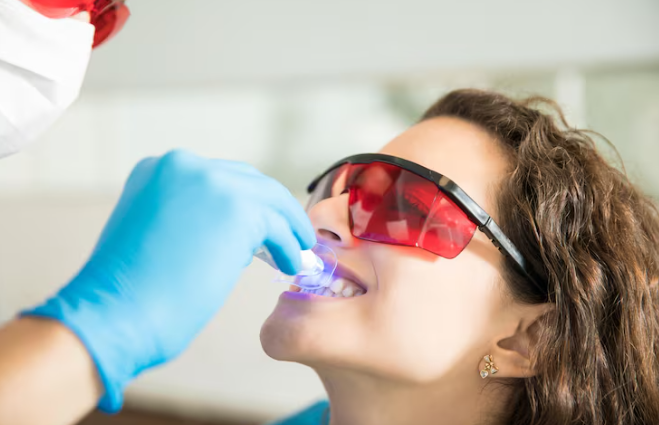
You might be feeling caught between worry and hope. Maybe your gums bleed when you brush, your teeth feel a little loose, or you have been told you need treatment for gum disease and now you are trying to sort through words that sound technical and hard to picture. If you have been researching gum surgery Albuquerque, that can feel like a lot, especially when your comfort, your smile, and your long term oral health are all tied together.
There is some good news here. The impact of laser therapy in periodontal care often comes down to one simple idea. Many people want treatment that targets infected tissue while trying to protect healthy tissue and reduce discomfort. Laser based gum treatment may offer that in some cases, though it is not a magic fix and it is not right for every person. The best path depends on how advanced the disease is, your overall health, and the skill and judgment of your periodontist and implant dentist.
Why does gum disease feel so easy to ignore until it suddenly does not?
Gum disease usually does not begin with a dramatic warning. It can start with redness, swelling, bad breath, or light bleeding when you floss. Because those signs can seem minor, it is easy to put them off. But as the infection moves deeper, it can damage the tissues and bone that support your teeth. If that continues, the stakes change. You are no longer dealing with simple irritation. You may be facing gum recession, loose teeth, or tooth loss.
If that sounds familiar, you are not alone. The CDC explains the basics of gum periodontal disease and how common it can be in adults. The National Institute of Dental and Craniofacial Research also outlines gum disease symptoms and causes, which can help you understand whether what you are seeing at home deserves a closer look.
So, where does laser treatment fit in? In simple terms, periodontal laser therapy uses focused light energy to help remove diseased tissue and reduce bacteria in periodontal pockets around the teeth. Because of this targeted approach, some patients experience less bleeding and swelling than they expect from more traditional methods alone. That matters when fear of pain is one of the main reasons people delay care.
Can laser based gum treatment really change the experience of periodontal care?
It can change the experience, yes, but the word “change” needs context. Some people hear “laser” and assume it means no discomfort, no recovery, and no need for other treatment. That is usually too simple. Gum disease is an infection with structural effects. If bone loss is advanced or plaque and tartar have built up below the gumline, you may still need scaling and root planing, ongoing maintenance, or surgical care depending on the case.
What laser therapy may do is improve how certain parts of treatment are performed. A clinical review available through PubMed Central discusses the use of lasers in periodontal therapy and notes potential benefits such as bacterial reduction, tissue management, and support for healing in selected situations. In real life, that can mean a treatment plan that feels more manageable to a person who has been avoiding care for months or even years.
Think of a common scenario. You notice bleeding, but you are busy, and the idea of gum treatment makes you tense. You wait. The bleeding becomes tenderness. Then one day you hear that your pockets are deeper and your gums need more than a routine cleaning. At that point, options that may support comfort and precision become more meaningful. That is where laser periodontal treatment often enters the conversation.
What should you weigh when comparing laser therapy and traditional periodontal treatment?
The right question is not which option sounds newer. The right question is which option fits your condition. A careful exam, periodontal measurements, and imaging help answer that. Still, it helps to see the tradeoffs clearly.
| Consideration | Laser Therapy in Periodontal Care | Traditional Periodontal Treatment |
| Tissue approach | May target infected soft tissue with precision | Uses established mechanical and surgical methods |
| Comfort during recovery | Some patients report less swelling or bleeding | Varies by procedure and severity of disease |
| Best use | Often used as part of a broader treatment plan | Often the foundation of gum disease care |
| Limits | Not ideal for every case or every stage of disease | May feel more invasive depending on the procedure |
| Long term success | Depends on diagnosis, maintenance, and home care | Also depends on diagnosis, maintenance, and home care |
That last row matters most. No form of periodontal care works well if follow up is inconsistent. Even a very effective treatment can lose ground if plaque returns and maintenance visits are skipped. In other words, the treatment matters, but what happens after treatment matters just as much.
What can you do right now if you think you may need gum disease treatment?
1. Pay attention to early signs. Bleeding when brushing or flossing is not something to normalize. Neither is chronic bad breath, gum tenderness, or teeth that seem to be shifting. Write down what you have noticed and how long it has been happening.
2. Ask better questions at your visit. Ask whether laser therapy is appropriate for your stage of gum disease, whether it would be used alone or with scaling and root planing, and what recovery will likely look like in your case. Clear questions often lead to calmer decisions.
3. Protect the result at home. Brush carefully twice a day, clean between your teeth daily, and follow the maintenance schedule you are given. If you smoke, ask for help stopping. If you have diabetes, keep it well managed. Small daily habits can shape the outcome more than people realize.
How do you move forward without feeling overwhelmed?
You do not need to figure out everything at once. If your gums are sending warning signs, the most useful next step is to get a clear diagnosis and a treatment plan that matches your needs. For many people, the impact of laser therapy in periodontal care is not about hype. It is about having another tool that may support comfort, precision, and healing when used for the right reasons.
If you have been putting this off, that does not mean you have failed. It means now is a good time to act. Reach out to a qualified periodontist and implant dentist, ask direct questions, and get the facts you need to protect your teeth and gums before the problem grows harder to treat.