

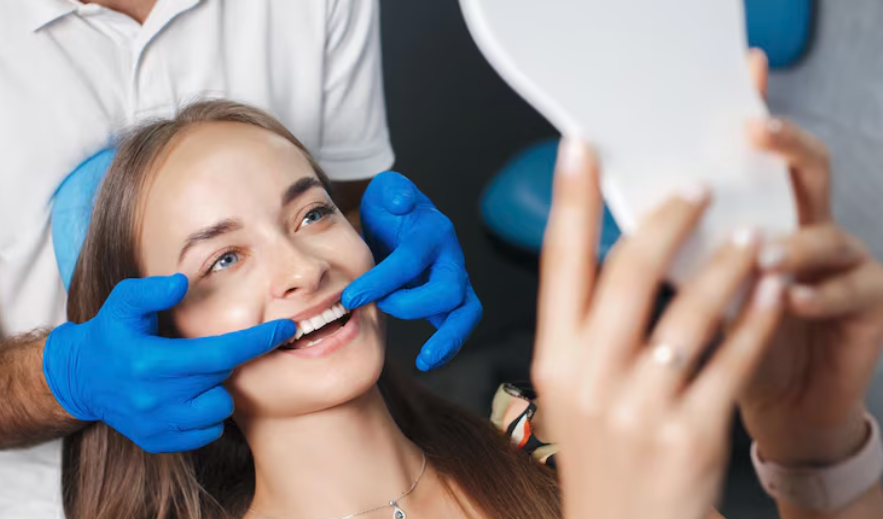
You may be looking in the mirror and seeing more than a color or shape problem. A chipped front tooth, worn edges, old fillings that show when you smile, spacing that never felt right, or a bite that seems to be shifting can make you want a better smile fast. The stress comes when every option sounds cosmetic, but your teeth are also doing real work every day, and some people may even be weighing options for urgent dental care in Peachtree Corners. That is where people get stuck. They want a smile that looks natural, but they also need it to hold up when they chew, speak, and age.
Why Smile Design Requires Both Cosmetic And Restorative Expertise comes down to one simple truth. A smile is not just appearance. It is structure, function, materials, and long term health. If a treatment improves color and shape but ignores bite forces, worn enamel, gum support, or damaged teeth, the result may look good for a short time and then fail. The best smile design blends beauty with repair.
Smile Design Works Best When Function And Appearance Are Treated Together
Many people think smile design means veneers and whitening. Sometimes it does. Sometimes it means crowns, bonding, implant restorations, or replacing old dental work that no longer fits your face or your bite. A skilled cosmetic and restorative dentist looks at the whole picture. That includes tooth position, gum levels, jaw movement, wear patterns, speech, and the strength of the materials being used.
If you have teeth that are short from grinding, discoloration may be the smallest issue. If you have an uneven gumline, a missing tooth, or cracked enamel, changing the visible surface alone can create more trouble. A smile that is too bulky can feel wrong when you talk. A bite that is not balanced can chip porcelain. A front tooth that looks perfect in a photo can still feel weak when you bite into food.
This is why patients often do better with a provider who understands both esthetics and reconstruction. In more complex cases, that may also include care from a prosthodontist, a dentist with advanced training in restoring and replacing teeth. The University of Rochester explains what a prosthodontist does and why that training matters when function and appearance need to work together.
Cosmetic Dentistry Alone Can Miss Hidden Structural Problems
You can have a smile makeover that looks polished on day one and still run into trouble months later. That usually happens when the planning focused on the front view and missed what was happening underneath. A tooth with a large old filling may need more support than bonding can give. A patient with clenching habits may need stronger materials and a night guard. A person with gum recession may need a different edge design so the teeth do not look long and artificial.
The financial side matters too. Redoing cosmetic work is frustrating and expensive. You pay twice, lose time, and often end up more anxious than when you started. That is why a proper exam matters. Photos, digital scans, bite analysis, and a discussion of your goals help shape a plan that is honest about what your teeth can handle.
Materials are part of this conversation. Dental ceramics, composites, cements, and implant components keep improving, but they still have limits. The National Institute of Dental and Craniofacial Research has outlined ongoing work in dental materials research, which shows how strength, wear resistance, bonding, and biocompatibility all affect outcomes. A beautiful result depends on choosing the right material for the right tooth in the right bite.
Aesthetic Dental Reconstruction Protects Your Investment
Aesthetic dental reconstruction means rebuilding a smile in a way that respects both looks and mechanics. That might involve adjusting tooth length so your smile looks younger, while also restoring lost structure from grinding. It might mean replacing one dark crown so it matches the rest of your teeth, while also correcting how it contacts the opposing tooth. It might mean using veneers on some teeth and full coverage crowns on others because not every tooth has the same needs.
This is where careful planning pays off. The right treatment does not just make teeth whiter or straighter. It creates harmony between your face, gums, tooth proportions, and bite. That is the difference between work that stands out and work that simply looks like you were born with a better smile.
Practical Differences Between Cosmetic Only And Restorative Smile Planning
| Approach | Main Focus | Common Risk | Better Use Case |
|---|---|---|---|
| Cosmetic only treatment | Color, shape, surface appearance | May overlook cracks, bite stress, or weak tooth structure | Minor staining, small chips, slight reshaping needs |
| Restorative only treatment | Repairing damage and function | May solve mechanics without improving smile balance | Broken teeth, failing fillings, missing teeth, heavy wear |
| Smile design dentistry with both skill sets | Appearance, strength, fit, and long term performance | Requires deeper planning and often more than one visit | Most smile makeovers, complex esthetic concerns, worn or rebuilt bites |
Three Smart Steps To Take Before You Commit
Ask for a functional evaluation. Do not settle for a conversation that stays on shade and shape. Ask whether your bite, wear patterns, old fillings, gum health, and jaw habits have been checked. If those issues exist, they need to be part of the plan.
Request a treatment plan that explains why each option fits. Veneers, crowns, bonding, implants, and whitening all have a place. You deserve to know why one is being recommended over another, how long it may last, and what maintenance it will require.
Think beyond the reveal photo. Ask how your new smile should feel when you chew, how it may age, and what protects it from damage. A great result is not just pretty on day one. It still works a year later.
The Best Smile Design Respects Both Beauty And Biology
You are not being difficult for wanting a smile that looks good and feels secure. That is the standard. The strongest results come from care that treats your teeth as both visible and functional. When cosmetic choices are guided by restorative judgment, your smile has a better chance of looking natural, feeling comfortable, and lasting longer.
If you are considering treatment, look for a provider whose work includes both appearance and repair. The right plan should fit your goals, your bite, and the real condition of your teeth.
Read More : 6 Preventive Services That Strengthen Household Oral Health