

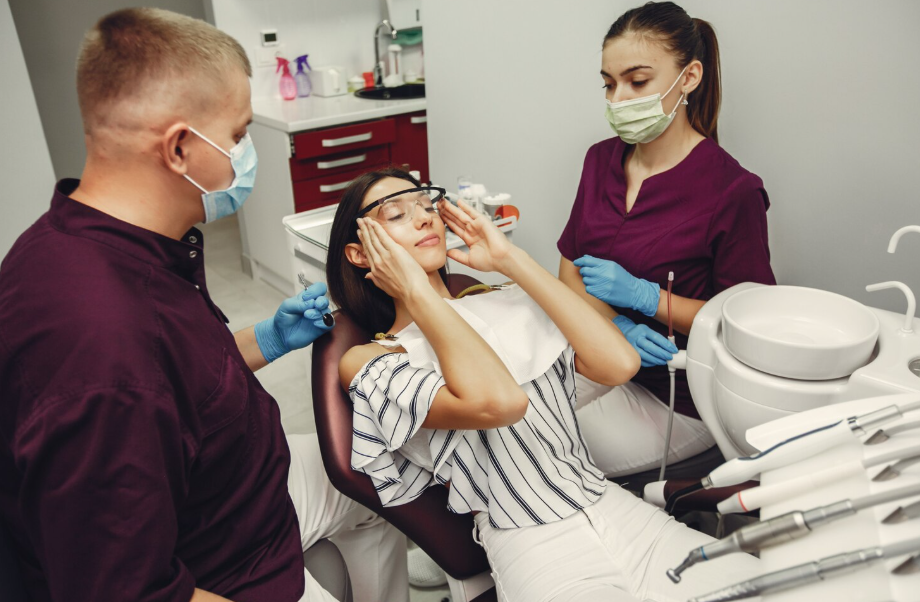
You brush, you floss when you can, and you try to stay on top of your routine, yet it can still feel like something is slipping through the cracks. Maybe your teeth look a little dull, your gums bleed once in a while, or it has simply been longer than you meant since your last visit. That happens to a lot of people, and Hoffman Smiles serving Schaumburg & Hoffman Estates, IL understands how easily life gets busy. Dental care often moves down the list until a small concern starts to feel bigger than it should.
If that sounds familiar, you are not alone, and you are not failing. Professional cleanings are not just about making teeth look nice for a day. They help remove buildup you cannot fully handle at home, support gum health, lower the risk of bigger problems, and give your dentist a chance to catch issues early. In simple terms, one routine visit can save you discomfort, time, and money later.
Why do routine dental cleanings matter if you already brush at home?
Home care matters a lot, but even a careful routine has limits. Plaque can harden into tartar, and once that happens, regular brushing will not remove it. That is where a professional cleaning becomes so useful. During a visit with a general dentist, hardened buildup is removed from areas that are easy to miss, especially near the gumline and between teeth.
Why does that matter so much? Because plaque and tartar do not just sit there quietly. They can irritate your gums, contribute to decay, and lead to problems that become harder to treat over time. According to the CDC overview of oral health, oral health is closely tied to your overall health and quality of life. In other words, routine care is not a small thing.
This is one reason many people see professional teeth cleanings as a core part of staying healthy, not just a cosmetic extra.
What are the 6 benefits of professional cleanings in general dentistry?
So, where does that leave you if you are wondering whether it is worth making the appointment? Here are six clear benefits that often make the answer yes.
1. Removal of plaque and tartar
Even with steady brushing and flossing, some buildup remains. A professional cleaning removes what home tools cannot, which helps protect both teeth and gums.
2. Lower risk of gum disease
Gum irritation can start quietly. A little redness or bleeding may not seem urgent, but it can point to early gum problems. The CDC page on gum and periodontal disease explains that gum disease is common and can become serious if ignored. Cleanings help reduce the bacteria and buildup that feed it.
3. Early detection of dental issues
Routine visits often include an exam, which means small cavities, gum recession, worn fillings, and other concerns may be found before they turn into pain or bigger treatment plans.
4. Fresher breath
Persistent bad breath is often tied to bacteria and trapped debris. A cleaning can remove those sources and leave your mouth feeling cleaner in a way brushing alone may not.
5. A brighter smile
Surface stains from coffee, tea, or certain foods can build up gradually. Cleanings help lift many of those stains, which can make your smile look fresher without anything dramatic.
6. Long term savings
Preventive care is often far less costly than treating advanced decay, gum disease, or dental infections. When small problems are caught early, treatment is usually simpler and easier to manage.
What can happen when cleanings are delayed for too long?
It is easy to put off a visit when nothing hurts. That is often the trap. Many dental problems begin quietly, and by the time pain appears, the issue may be more advanced. What starts as plaque can become tartar. What starts as mild gum irritation can turn into deeper inflammation. What starts as a tiny cavity can eventually need a larger filling or more involved care.
If you have ever wondered whether the body can repair tooth damage on its own, the short answer is usually no. As MedlinePlus explains about tooth decay, decay can progress when it is not treated. That is why dental cleaning benefits go beyond appearance. They are part of prevention.
How does home care compare to a professional dental cleaning?
Home care and office care work best together, not against each other. Brushing and flossing every day are your first line of defense. Professional visits go further by addressing what daily care cannot fully reach or remove.
| Home Care | Professional Cleaning |
|---|---|
| Removes daily food debris and some plaque | Removes hardened tartar and stubborn buildup |
| Helps maintain breath and reduce bacteria between visits | Targets areas near the gumline and other hard to reach spots |
| Done every day with brushing and flossing | Done periodically as part of preventive general dentistry |
| Cannot diagnose hidden issues | Often includes an exam to spot early concerns |
When people think of a general dentist, they sometimes picture someone you only see when something is wrong. In reality, preventive visits are often what help keep things from going wrong in the first place.
What can you do right now to protect your teeth and gums?
1. Take stock of your current symptoms.
If your gums bleed, your breath stays unpleasant, or your teeth feel coated even after brushing, pay attention to that. These signs do not always mean a major problem, but they do mean your mouth may need more support.
2. Tighten up your daily routine.
Brush twice a day with fluoride toothpaste, floss daily, and be consistent rather than perfect. A simple routine done regularly does more than a complicated plan you cannot keep up with.
3. Schedule preventive care before pain forces the issue.
A routine cleaning and exam can answer a lot of questions quickly. If there is nothing serious going on, you get peace of mind. If something is starting, you can deal with it early.
Could one simple visit make the next year easier?
Often, yes. The value of regular cleanings is not just what happens in the chair that day. It is the relief of knowing you are taking care of a problem before it grows, the comfort of a cleaner mouth, and the confidence that comes from staying ahead of avoidable dental issues.
If it has been a while, that is okay. You can start from where you are. A routine visit with a general dentist can be a practical, steady step toward better oral health and fewer surprises down the road.