

Exterior shutters are more than decorative details. They influence the overall look, texture, and balance of a home’s façade. Choosing materials, colors, and designs that suit both architecture and climate can significantly enhance curb appeal while offering practical benefits such as light control and protection.
Timeless Appeal of Wooden Shutters
Wood remains a popular choice for homeowners who appreciate natural beauty and craftsmanship. Among the various options, mahogany shutters stand out for their rich grain and durability. Their deep tone adds warmth and elegance, complementing both traditional and modern exteriors.
When properly finished, mahogany resists moisture and weathering, making it suitable for humid climates. Its strength allows for intricate designs that remain stable over time. Regular sealing and maintenance help preserve the wood’s color and texture, ensuring a lasting impression.
Exploring the Variety of Custom Designs
Homeowners increasingly turn to custom shutters to achieve unique looks tailored to their architecture. Customization allows for precise sizing, material selection, and styling that harmonize with window shapes and trim details.
Modern manufacturing techniques make it possible to combine classic aesthetics with contemporary functionality. Louvers, panels, and composite materials can be mixed to achieve a balance between tradition and innovation.
Louvered Shutters
Louvered styles feature angled slats that allow airflow while maintaining privacy. They fit seamlessly with coastal, colonial, or farmhouse designs. For modern homes, narrower louvers create a sleek profile that suits minimalist façades.
Raised and Flat Panel Shutters
Panel shutters bring definition and structure to exterior walls. Raised panels offer depth and shadow, while flat panels provide a clean, balanced appearance. Both styles can be painted in contrasting colors to highlight window frames or blend harmoniously with siding.
Board-and-Batten Shutters
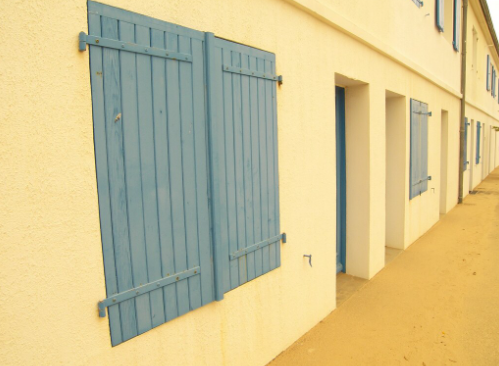
This rustic style has gained renewed popularity in contemporary architecture. Vertical boards joined by horizontal battens convey a handcrafted charm, often used to soften modern lines or add texture to simple façades.
Material Innovations in Modern Shutters
While wood remains timeless, composite and synthetic materials now provide alternatives that mimic natural grain without requiring extensive upkeep. These materials resist warping, cracking, and fading, making them ideal for demanding climates.
Metal shutters, often aluminum, bring a modern industrial appeal. They are lightweight, corrosion-resistant, and available in powder-coated finishes that retain color for years. Vinyl shutters, though less expensive, offer quick installation and minimal maintenance.
Color and Finish for Lasting Impact
The color of exterior shutters can dramatically influence a property’s visual balance. Deep tones create contrast against light walls, while soft neutrals blend for a cohesive look. Finishes such as matte, semi-gloss, or textured coatings emphasize different architectural elements.
Coordinating shutter color with roof, trim, and door hues ensures a unified aesthetic. For a modern effect, some homeowners choose monochromatic palettes that highlight shape over color variation.
Balancing Function and Aesthetics
Beyond appearance, shutters contribute to energy efficiency and privacy. Operable designs allow regulation of sunlight and ventilation. In regions prone to storms, reinforced shutters can protect windows while maintaining an attractive exterior.
When thoughtfully selected, exterior shutters elevate both character and value. Whether choosing the natural elegance of mahogany or the tailored precision of custom fabrication, these design elements express personality while enhancing the home’s overall harmony.