

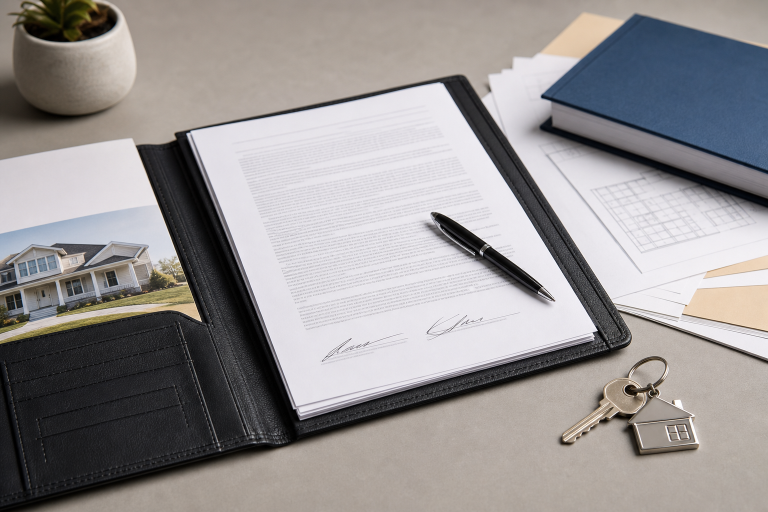
Buying or selling a home in New Jersey involves far more than choosing a price and showing up to sign papers. From shore properties with flood history to older homes in North Jersey and association communities across the state, a successful transaction depends on organized records, realistic deadlines, and clear written agreements. Working with a real estate lawyer NJ can help buyers and sellers understand the contract, address title concerns, and prepare for a closing that reflects the deal they actually made.
New Jersey closings can involve attorney review, lender underwriting, municipal records, inspections, title work, and seller disclosures. A single missing document, such as an old mortgage release, repair invoice, permit record, or association resale package, can delay the finish line. The key is to treat every deadline as an active task, not a date that can wait until closing week.
Why the Paperwork Matters
A property closing is not simply a signing appointment. It is the point at which contract obligations, loan terms, ownership records, and final funds must align. A buyer may be approved for financing but still face a delay if title work reveals an unreleased lien. A seller may have completed a repair but needs receipts or proof of a permit before the buyer will approve the final walk-through.
New Jersey sellers should also take disclosures seriously, especially where water intrusion, drainage, storm damage, roof conditions, or environmental issues may affect a property. The state has updated tools tied to residential flood-risk disclosures and seller condition information, as described by real estate disclosure requirements. Sellers should use current forms and provide accurate information based on their knowledge.
The Purchase Agreement
The purchase agreement is the transaction’s roadmap. It should clearly state the purchase price, earnest money deposit, closing date, financing terms, inspection rights, included fixtures and appliances, repair responsibilities, closing-cost allocations, and possession date.
In New Jersey, amendments and addenda matter just as much as the original contract. If the parties agree that the seller will repair a roof leak, leave a generator, extend an inspection deadline, or provide a credit, the change should be written, dated, signed, and attached to the agreement. Verbal promises are difficult to prove and easy to misunderstand. A form prepared for another state may not reflect New Jersey practices or the terms needed for the particular property.
Property Disclosures
A seller disclosure gives a buyer information about known conditions that may affect the property. Common topics include prior water intrusion, roof or foundation concerns, pest damage, past fires, repairs, permits, boundary disputes, septic systems, wells, and access issues.
Disclosure is not a substitute for inspection, and an inspection does not excuse a seller from addressing known material concerns. Sellers should keep contractor reports, warranties, permits, invoices, and photographs with their disclosure file. That documentation can clarify what happened, when work was done, and whether a qualified professional completed a repair.
Inspection Reports
A general home inspection provides a useful overview, but it may not answer every question. Depending on the home and location, a buyer may need radon testing, termite or pest inspections, mold or moisture testing, a structural review, a roof evaluation, a septic inspection, or well-water testing. These concerns can be especially relevant in older New Jersey housing stock, rural properties, and homes near waterways.
Inspection deadlines are contractual deadlines. After reviewing the results, the parties may request repairs, negotiate a credit, accept the condition, revise the price, or exercise a cancellation right if the contract allows. Every agreed repair should be documented in writing, including who will perform it and what proof will be supplied before closing.
Title and Ownership Records
A title search reviews the public record for issues affecting the property’s ownership or use. It may uncover unpaid taxes, judgments, old mortgages, unreleased liens, easements, ownership errors, or boundary questions. These issues do not automatically end the sale, but they can require releases, affidavits, payoff funds, corrective deeds, or additional legal work.
Sellers should start resolving title questions early. Buyers should understand that a lender’s title insurance generally protects the lender, while an owner’s title insurance protects the buyer’s ownership interest, subject to the policy’s terms and exceptions.
Loan and Closing Disclosures
Buyers using financing should compare the Loan Estimate with the final Closing Disclosure. Review the loan amount, interest rate, monthly payment, cash needed to close, taxes, insurance, lender charges, title charges, and seller credits. For most covered mortgage loans, borrowers generally receive the Closing Disclosure at least three business days before closing. The Consumer Financial Protection Bureau’s closing guidance also recommends requesting key documents, including the deed, promissory note, and mortgage, in advance.
Report mistakes immediately. Buyers should also avoid opening new credit accounts, changing jobs, taking on major debt, or moving large sums of money without first speaking with the lender.
Payoff, Tax, and Association Records
Sellers need an accurate mortgage payoff statement, but payoff amounts can change daily because of interest and fees. Other important records may include property-tax information, utility balances, association dues, special assessments, transfer fees, warranties, and repair invoices. In condominium and homeowners association communities, an unpaid balance or incomplete resale package can create a last-minute problem.
The Deed and Final Closing Package
The deed transfers ownership from seller to buyer. The final package may also include the mortgage or security instrument, the promissory note, the closing statement, the title documents, the affidavits, and the tax forms. Before signing, verify names, property addresses, legal descriptions, loan figures, and dollar amounts.
Signing, funding, recording, and possession do not always occur simultaneously. Ask when the deed will be recorded, when funds will be released, and when keys may change hands. Keep complete digital and paper copies of every final document.
A Simple Closing Timeline
- Before the offer: Gather identification, financing records, repair receipts, permits, warranties, and disclosure materials.
- After contract signing: Deliver the deposit, send the contract to the lender and closing professional, and calendar deadlines.
- During due diligence: Complete inspections, review disclosures, order title work, and resolve repair requests.
- One week before closing: Confirm final figures, insurance, payoff information, association records, and appointment details.
- One to three days before closing: Review closing documents and complete the final walk-through.
The Final 48-Hour Checklist
- Confirm the date, time, location, and exact funds required.
- Verify wire instructions by calling a trusted phone number, never by relying only on a last-minute email.
- Bring government-issued identification and requested documents.
- Confirm agreed repairs, including appliances, keys, remotes, and access devices.
- Do not sign documents that contain errors or do not match the agreement.
- Save the complete closing package for as long as the property is owned and for years afterward.
A Better Way to Reach Closing Day
The strongest New Jersey closing strategy is simple: start early, keep a written checklist, and raise concerns before the final appointment. Buyers and sellers do not need to memorize every legal term, but they do need to read documents, preserve records, and ask direct questions. With the right preparation, a complicated property transaction becomes a manageable series of steps toward a clean closing.
Read more : Estate Planning Strategies for Modern Families