
A cracked tooth, damaged filling, or poorly fitted crown can lead to discomfort and additional dental visits. Fortunately, modern technology has made restorative treatments faster and more precise. Patients considering North Indianapolis implant dentistry North Indianapolis, IN can benefit from advanced tools that improve comfort and treatment efficiency.
Digital scans, computer-guided designs, and modern milling systems help dentists create better-fitting crowns, bridges, and other restorations. These improvements save time while helping protect natural teeth and reduce the need for repeated adjustments.
Digital dentistry reduces the delays and guesswork in dental restorations
Traditional impressions have worked for years, but they can be uncomfortable and unforgiving. If you move, gag, or bite down too soon, the impression can distort. A small error at the start can follow the case all the way to the final crown. You may not see that problem until the restoration comes back and needs grinding, reshaping, or a remake.
Digital impressions change that first step. Instead of trays filled with impression material, a small scanner captures a detailed 3D image of your teeth and bite. The FDA describes these optical impression systems and CAD/CAM dental restorations as tools that support computer assisted design and manufacturing for restorative care. In plain terms, your dentist can see the preparation on screen, enlarge it, check margins, and correct missing data right away.
That speed matters because it cuts down on the most frustrating kind of delay, the one caused by preventable errors. If your scan is complete during the visit, the case can move forward without repeating the entire appointment. If the office has same day technology, the restoration may be designed and made on site. If the office works with a lab, the digital file can be sent quickly and clearly, which still helps shorten turnaround time.
More accurate restorations protect your bite, comfort, and budget
Fit is not a small detail. A crown that sits high can make chewing feel off and leave your jaw sore. A margin that does not seal well can trap bacteria and raise the risk of decay around the restoration. A shape that misses the contact with the next tooth can lead to food packing and gum irritation. You may walk in expecting one fix and leave with another problem if the restoration is not precise.
This is where faster, more accurate dental restorations make a real difference. Better digital records can help your dentist design the restoration around your actual bite, not an estimate. Research on digital workflows continues to show strong accuracy and clinical performance for many types of indirect restorations. One review of digital dental workflow research highlights how digital systems can improve precision, consistency, and efficiency across restorative procedures.
You feel the benefit in very practical ways. Fewer adjustments. Less chair time. Less chance that you will need to come back because the crown does not seat properly. If you have ever taken time off work, arranged child care, or sat through a numbing appointment twice for the same tooth, you already know why that matters.
Modern restorative technology improves the patient experience
Comfort is part of quality. Many patients put off care because they dread the impression material, the gag reflex, or the hassle of wearing a temporary crown that can loosen or break. Digital scanning removes one of the most disliked parts of the process for many people. Same day systems can also reduce the stretch between tooth preparation and final placement, which lowers the odds of temporary crown problems.
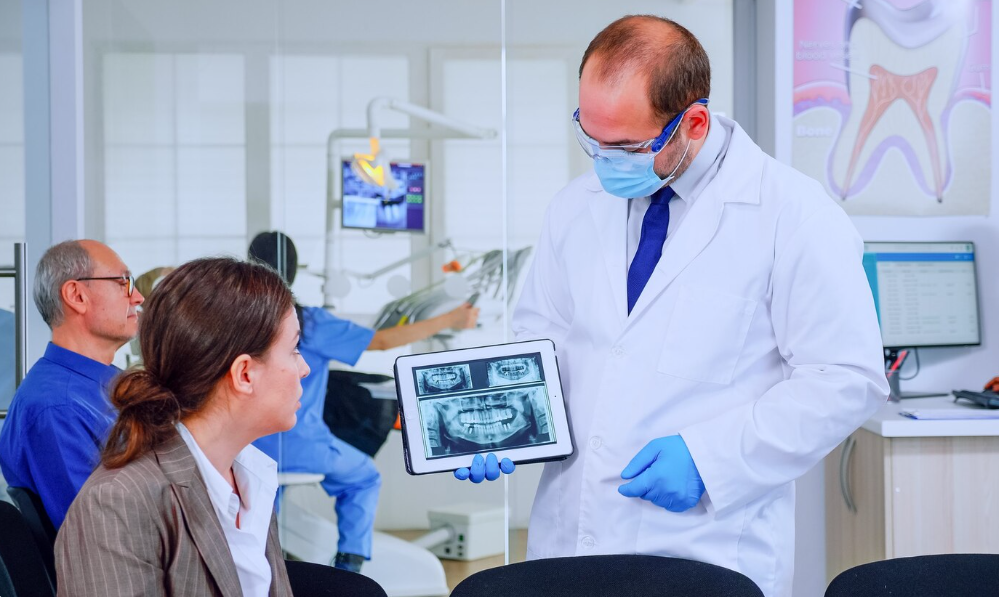
Advanced dental restoration technology also helps with communication. When your dentist can show you a scan of the tooth on a screen, the problem becomes easier to understand. You are not just being told that a tooth needs a crown. You can often see the crack, the worn edge, or the failing margin. That clarity helps you make decisions with less stress and more confidence.
| Aspect | Traditional Workflow | Digital Workflow |
|---|---|---|
| Impression process | Physical trays and impression material | 3D intraoral scan |
| Comfort | Can trigger gagging or discomfort | Often easier for sensitive patients |
| Error detection | Problems may show up after lab fabrication | Missing data can often be corrected during the visit |
| Turnaround time | Usually multiple visits and lab shipping time | Can be faster, sometimes same day |
| Adjustment risk | Higher chance of remakes or major adjustments | Often fewer fit issues when scans are accurate |
| Temporary restoration | Often needed | May be reduced or avoided in some cases |
Technology works best when your general dentist uses it with strong clinical judgment
Tools help, but they do not replace skill. A scanner cannot decide whether a tooth is strong enough to hold a crown, whether decay extends below the gumline, or whether your bite habits call for a different material. Good restorative care still depends on diagnosis, preparation design, material choice, and careful placement.
That is why the best results usually come from a mix of technology and judgment. A general dentist who understands both can choose when a same day ceramic crown makes sense, when a lab made option is better, and when a simple filling, onlay, or full coverage crown is the right answer for your tooth and budget.
Three steps help you make a smart decision about dental restorations
Ask what technology is used for impressions and design. You do not need to speak in technical terms. Ask whether the office uses digital scans, whether restorations are made in house or through a lab, and how that affects timing and fit.
Ask how many visits your case is likely to need. A simple crown may be done quickly in some offices, while more complex cases need a staged approach. If you have travel, work deadlines, or anxiety about repeat visits, say so early.
Ask what happens if the fit is off. A careful office should explain how they check bite, contacts, and margins, and what the plan is if an adjustment or remake is needed. Clear answers usually signal a thoughtful process.
When a tooth needs repair, speed alone is not the goal. You want a restoration that fits, lasts, and feels right when you speak and chew. The good news is that modern dental restoration technology can make that process smoother than many people expect. If you need a crown, bridge, inlay, onlay, or other restorative treatment, ask about the digital options available and how they may improve your care.
Read More: 6 Preventive Services That Strengthen Household Oral Health