

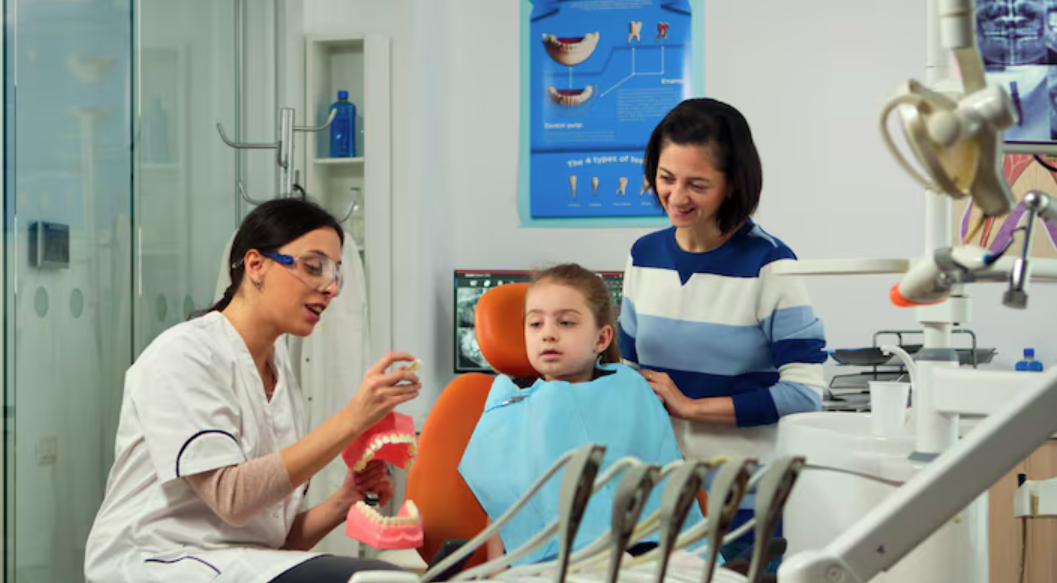
You might be wondering if that nagging tooth twinge, bleeding when you brush, or your child’s fear of the dental chair is “enough” to call a family dentist or look for Grand Rapids dentists. Maybe it started with a skipped cleaning, then another, and now you are trying not to think about it every time you smile in the mirror or sit down to eat.end
If you feel a mix of worry, guilt, and confusion about when to reach out for help, you are not alone. Many people wait until the pain is urgent, then feel frustrated that things have gotten worse. The truth is, a good family dentist is not just for emergencies. The right guidance can protect your teeth, support your health, and give you a calmer relationship with dental care.
In simple terms, here is the summary. If you notice ongoing pain or sensitivity, changes in your gums or mouth, or you keep postponing regular visits because of fear, cost, or uncertainty, it is time to talk with an implant and family dentist. The earlier you reach out, the more options you usually have, and the less you tend to spend over time.
Sign 1: Are Pain, Sensitivity, or Changes in Your Mouth Becoming “Your New Normal”?
Maybe it started with a sharp sting when you sipped something cold. Then you began chewing on the other side of your mouth. Now you avoid certain foods completely. Because life is busy, you might tell yourself, “It’s not that bad. I can live with it.”
This is one of the most common patterns. Mild tooth pain, ongoing sensitivity, or a sore spot in your mouth slowly becomes your “normal.” You adapt. You chew differently. You brush more carefully around that area. Yet underneath, something could be getting worse.
Here are a few warning signs that should never be ignored:
- Tooth pain that lasts more than a day or two, even if it comes and goes
- Hot, cold, or sweet sensitivity that makes you wince
- A cracked, chipped, or loose tooth
- A sore, bump, or patch in your mouth that does not heal after two weeks
These symptoms can mean anything from a small cavity that needs a simple filling to an infection that could spread if left untreated. Waiting usually does not make them disappear. It just makes the eventual treatment more complex.
If you are unsure what “serious enough” looks like, resources like this guide on when to see the dentist can give you a clearer picture. Still, any pain or change that bothers you is reason enough to call.
Sign 2: Are Bleeding Gums, Bad Breath, or Loose Teeth Starting To Worry You?
Maybe you see pink in the sink when you brush, or you notice that your breath is harder to manage even though you are brushing and flossing. You might feel a little embarrassed, so you brush harder or use more mouthwash and hope it improves.
Gum issues often sneak up quietly. They rarely start with dramatic pain. Instead, you may notice:
- Gums that bleed when you brush or floss
- Red, swollen, or tender gums
- Persistent bad breath that does not match your hygiene habits
- Teeth that feel slightly loose or “different” when you bite
These can be early signs of gum disease. The good news is that early gum disease is usually very manageable with a professional cleaning, better home care, and regular checkups. The hard part is that if you wait, gum disease can damage the bone that supports your teeth. That is where tooth loss and more complex treatments, like implants, come into the picture.
A trusted family dental care provider will not judge you for bleeding gums or bad breath. These are common issues. Their job is to help you understand what is causing them and build a plan to turn things around.
Sign 3: Have You Been Putting Off Regular Checkups Because of Fear, Cost, or Confusion?
Sometimes the biggest sign you need a family dentist is not pain. It is avoidance. You look at your calendar and think, “I should book a cleaning,” then your mind jumps to the cost, or a bad experience from years ago, or the fear of what they might find. So you close the browser and move on with your day.
If this sounds familiar, there is nothing wrong with you. Dental anxiety and financial stress are very common. Many people do not realize that:
- Most dental plans cover checkups and cleanings as preventive care
- Regular visits can catch problems when they are small and cheaper to fix
- Modern dentistry is much more focused on comfort and communication than it used to be
Some insurance plans clearly explain that routine dental exams and cleanings are covered, often at no additional cost. For example, this type of preventive coverage is outlined in resources like the MetLife preventive dental FAQ. Even if your coverage is different, a family dentist’s office can usually help you understand your benefits before you sit in the chair.
If fear is the main barrier, a family-focused practice is often the gentlest place to start. They are used to helping children, anxious adults, and people who have not seen a dentist in many years. You can even schedule a short consultation just to talk, look around, and ask questions, without any treatment that day.
How Do Routine Visits Compare To Waiting For A Crisis?
When you are busy or worried about money, it can feel logical to wait until something truly hurts. Yet the long term reality is often very different. So where does that leave you when you are trying to decide whether to call now or later?
The table below compares common outcomes of regular care with a family dentist visit versus waiting until there is a serious problem.
| APPROACH | WHAT USUALLY HAPPENS | TYPICAL COSTS OVER TIME | EMOTIONAL IMPACT |
| Regular checkups and cleanings | Small issues are caught early. Cavities are treated when they are simple. Gum health is monitored. | More predictable. Often uses preventive benefits from insurance. Fewer large surprise bills. | Less anxiety. Greater sense of control. Visits feel routine instead of scary. |
| Waiting until pain or a visible problem | Problems grow quietly. You may need root canals, extractions, or implants instead of fillings. | Higher short term costs. More time off work. Possible emergency fees. | Stress and regret. Fear of the next problem. Visits feel urgent and overwhelming. |
| Ignoring issues completely | Tooth loss, ongoing infection risk, difficulty eating, and appearance changes over time. | Very high eventual cost if you choose to restore teeth with implants or dentures. | Shame, embarrassment about smiling, and strain on daily life and relationships. |
Choosing regular guidance from an implant and family dentist does not mean you will never have a problem. It means you will rarely be surprised, and you will have a partner to help you make clear decisions at each step.
Three Steps You Can Take Today To Protect Your Smile
Once you recognize the signs, the next question is practical. What can you do right now, without feeling overwhelmed?
1. Do a simple at-home mouth check
Stand in front of a mirror in good light. Gently look at your teeth, gums, and tongue.
- Notice any pain, sensitivity, or spots you avoid when chewing
- Check for bleeding, swelling, or gum recession
- Look for sores, white or red patches, or bumps that you do not remember seeing before
Write down what you find, even if it seems minor. This gives you something concrete to share with a dentist.
2. Learn what to expect from a visit
Uncertainty often fuels fear. Understanding what happens during a routine dental visit can make it easier to take the next step. A clear overview, like this guide on what to expect when going to the dentist, can help you feel more prepared and less alone.
Read through it, then note any questions or worries that come up for you. Those questions are exactly what a supportive family dentist will be ready to answer.
3. Make one low-pressure appointment
Instead of promising yourself a full “smile makeover,” start with something small and realistic. Call a local family dentist and say you would like a checkup and conversation about your concerns. If you have insurance, ask them to confirm your preventive coverage. If you do not, ask about payment options or basic exam and cleaning packages.
Think of this as gathering information, not committing to everything at once. You are simply meeting a professional, getting a clear picture of your mouth, and deciding together what matters most right now.
You Do Not Need To Wait For Things To Get Worse
If any of these signs feel familiar, it is not a sign that you have failed. It is simply your body asking for attention. A caring family dentist can help you move from worry and avoidance to a calmer, more confident place with your oral health.
You deserve to eat comfortably, speak without self-consciousness, and smile without hesitation. Reaching out for guidance from a family dentist is not about perfection. It is about support, clarity, and small, steady steps toward a healthier mouth and an easier life.