

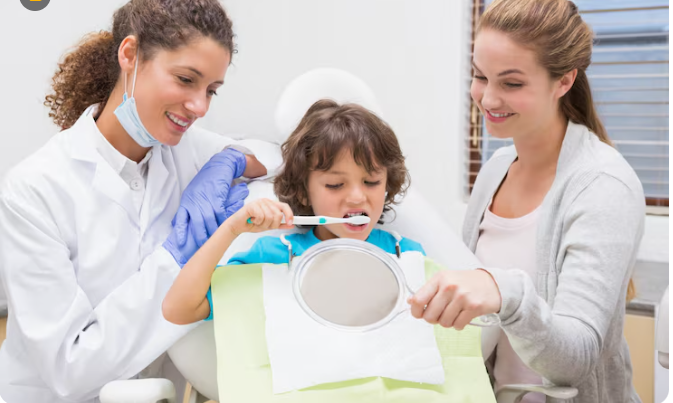
You might be feeling a little guilty every time you realize it has been a year or more since your family last saw a Buffalo Grove dentist. Life gets busy, kids have activities, work runs late, and as long as no one is in pain, teeth can slip to the bottom of the list. Then one day a child wakes up with a toothache or you notice bleeding gums in the mirror, and suddenly what felt like a small delay now feels like a crisis.end
If that is where you are, you are not alone. Many families only think about the dentist when something hurts. The hard part is that by the time pain shows up, the problem is often bigger, more expensive, and more stressful than it needed to be. Routine dental checkups and screenings are the quiet, unexciting visits that prevent those emergencies from taking over your week and draining your budget.
Put simply, regular screenings help catch small problems before they become big ones, protect your children’s developing teeth, and support your overall health as an adult. They are one of the most effective and affordable ways to keep your family out of the dental “emergency only” cycle. You do not need to become a dental expert to protect your family. You just need a simple plan and a trusted family dentist who sees you on a steady schedule.
Why do routine screenings matter when everything “seems fine”?
On the surface, your family’s teeth might look okay. No one is complaining, everyone brushes most days, and there is mouthwash in the bathroom. Because of this, it can feel reasonable to put off checkups. After all, why fix what does not seem broken.
The challenge is that many oral problems start quietly. Early tooth decay does not usually hurt. Gum disease often begins with mild bleeding when brushing and then settles down again. Small cracks in teeth can be invisible to the eye. By the time symptoms are strong enough to notice, the issue has usually been building for months or even years.
So where does that leave you. It means that relying on pain as your signal to see a dentist is a bit like waiting for your car engine to fail before ever changing the oil. It works for a while, until one day it does not.
Routine oral health screenings with a family dentist are designed to spot these “silent” problems. During a standard visit, your dentist and hygienist can identify early decay, gum infection, enamel wear from grinding, and signs of infection or oral cancer. They can also see how your child’s teeth and jaw are developing and guide you on braces or other early interventions if needed.
If you are wondering how important mouth health really is, national health agencies treat it as a core part of overall wellness. The Centers for Disease Control and Prevention explain that oral health is closely linked with conditions like diabetes, heart disease, and pregnancy outcomes. You can read more about that connection in their overview on why oral health matters for your general health.
What happens when you skip regular family dental checkups?
Think about a common “what if” scenario. A parent skips checkups for three or four years because things are busy and money is tight. The child brushes quickly most nights, snacks on crackers and juice, and never complains. Then a toothache appears on a Friday night. By Monday, the child needs a root canal or extraction for a baby tooth that could have been protected with a simple filling if it had been caught earlier.
Emotionally, this is heavy. Parents often feel they have failed their child, even though they were trying their best. Children can become fearful of the dentist after a painful emergency visit, which makes future care harder. Financially, an urgent treatment can cost several times more than a routine cleaning and exam. That is a lot of pressure for a family budget.
The same pattern shows up with adults. Skipped cleanings lead to plaque and tartar building up under the gums. Mild gum disease slowly progresses. One day you notice loose teeth or chronic bad breath. At that point, you might need deep cleanings or even surgery, instead of the simple preventive visits that would have kept your gums stable.
There is also the health side. Research connects poor oral health with increased risk of heart disease, complications in diabetes, and even issues during pregnancy. For adults, the CDC shares simple, practical oral health tips that fit into daily life, and regular screenings with your dentist are one of the cornerstones of that routine.
Because of all this, routine screenings are not just about clean teeth. They are about protecting your family’s comfort, confidence, and long term health in a way that is predictable and manageable.
How do routine screenings compare with “wait until it hurts” care?
It can help to see the tradeoffs laid out clearly. Here is a simple comparison between consistent preventive oral health screenings and the “visit only when something is wrong” approach.
| Approach | Short term experience | Long term impact | Typical costs over time |
|---|---|---|---|
| Regular screenings every 6 to 12 months | Quick visits, mild temporary inconvenience, little or no pain | Problems caught early, fewer emergencies, better gum and tooth health for the whole family | Smaller, predictable costs for cleanings, exams, and occasional small fillings |
| “Only when it hurts” visits | Longer, more stressful appointments, often with pain or anxiety | Higher risk of extractions, root canals, and advanced gum disease | Less frequent bills, but larger and less predictable, with more time off work or school |
When you see it this way, routine screenings are not just another task on the calendar. They are a way to trade surprise emergencies for planned, manageable care. That trade can bring a lot of relief.
What simple steps can you take to protect your family’s oral health now?
You do not need a complicated plan. You just need a few clear actions that you can actually stick with.
1. Set a family checkup schedule and treat it like you do vaccines or school physicals
Decide now how often your family will go for checkups. For most people, that is every six months. Some may need three or four month intervals if they have gum disease or certain medical conditions. Put the dates on your calendar for the whole year. If you have children, try to book their visits around school breaks or quieter times so they are less stressful.
If you feel nervous about the dentist yourself, tell the office upfront. A good family oral care team will move at your pace, explain what they are doing, and help you feel more in control. When children see you handle visits calmly, it shapes how they feel about their own care.
2. Build small daily habits that support what happens in the dental chair
Screenings work best when they are backed up by simple daily routines at home. Focus on the basics. Brush twice a day with fluoride toothpaste. Floss once a day, even if it is just a quick pass between teeth at first. Keep sugary drinks and snacks as “sometimes” treats instead of all day habits.
Make this easier on yourself. Keep extra toothbrushes and floss in visible spots. For kids, turn brushing into a two minute game with a song or timer. For teens and adults who are always on the go, travel toothbrush kits in bags or cars can help bridge the gaps.
3. Use each visit as a chance to ask questions and make a simple plan
Do not just get your cleaning and leave. Ask your dentist what they see that you cannot. Are there early signs of gum problems. Are your children’s teeth coming in as expected. Are there areas you keep missing when you brush.
Ask for one or two clear priorities rather than a long list. For example, the plan might be “focus on flossing the lower back teeth” or “schedule an orthodontic consult in six months to check crowding.” When you walk out with a small, specific plan, it is much easier to follow through.
Moving forward with more confidence and fewer surprises
If you have been putting off routine screenings, it is easy to feel behind. You might worry about what a dentist will find or how much it will cost to catch up. That worry is understandable. It is also true that taking the next step now is usually far gentler than waiting another year and hoping for the best.
Regular checkups with a trusted family dentist turn oral care from a series of emergencies into a stable routine. They protect your children’s smiles, support your own health as an adult, and give you one less thing to fear when you wake up with a twinge in a tooth.
You do not have to fix everything at once. Start with one decision. Commit to scheduling your family’s next round of screenings, put the appointments on the calendar, and take that visit as a fresh start for your family’s oral health.