

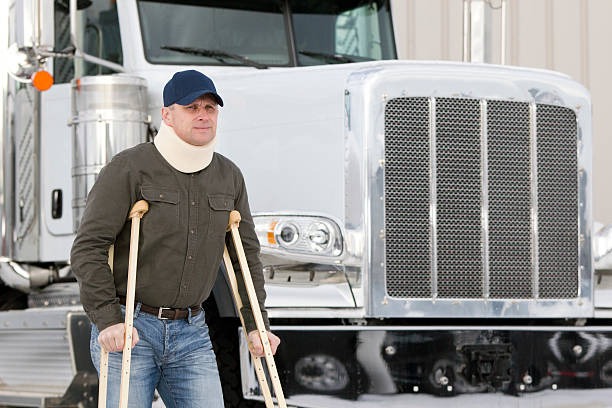
Truck accidents hit differently. They feel heavier. Louder. More confusing. One second, traffic flows. The next, steel bends, glass breaks, and lives change. In Houston, truck crashes happen every day. Interstates stay packed. Freight never sleeps. When something goes wrong, the damage runs deep. That’s why federal safety rules matter so much. They set the baseline. They draw lines truck companies must not cross. Here’s the thing. Those rules get broken more often than people think. That’s where skilled legal work comes in. At Schechter, Shaffer & Harris, LLP – Accident & Injury Attorneys, lawyers dig into these cases with a sharp eye. They don’t guess. They trace facts, logs, data, and paper trails. Federal safety violations often sit right below the surface. Let me explain how that process works—and why it matters for your claim.
Menu list
- Why federal truck rules matter more than you think
- The first steps lawyers take after a truck crash
- Hours-of-service rules: fatigue leaves fingerprints
- Maintenance records: where neglect hides
- Driver files reveal more than resumes
- Black box data and modern paper trails
- Cargo loading errors that tip the scale
- How violations connect to real injuries
- Timing matters more than people realize
- Why local experience changes outcomes
- Holding trucking companies accountable
- FAQs: Houston Truck Accident Claims and Federal Safety Violations
Why federal truck rules matter more than you think
Truck drivers don’t play by the same rules as regular drivers. They answer to federal law. The Federal Motor Carrier Safety Administration, or FMCSA, sets strict safety rules. These rules control:
- How long drivers can stay on the road
- How trucks must be inspected
- How cargo gets loaded
- Who can legally drive a commercial truck
These laws exist for one reason—safety. When a trucking company breaks them, risk shoots up fast. Tired drivers drift lanes. Worn brakes fail. Overloaded trailers tip. Lawyers know this. They treat federal rules like a roadmap to fault.
The first steps lawyers take after a truck crash
Truck accident cases move fast. Evidence fades. Records vanish. Stories change. Good lawyers act early. They send legal notices right away. These letters force trucking companies to keep logs, data, and video. No shredding. No “lost files.” Then comes the review. Every detail matters. Even the boring stuff. Honestly, boring details often tell the biggest story.
Hours-of-service rules: fatigue leaves fingerprints
Driver fatigue causes many truck crashes. Federal law limits driving hours for a reason. Most drivers can’t drive more than:
- 11 hours after 10 hours off duty
- 60 hours in 7 days, or 70 in 8 days
Sounds strict. It is. But pressure pushes drivers to bend rules. Tight deadlines. Low pay. Dispatch calls late at night. Lawyers review electronic logging devices, or ELDs. These systems track drive time. Lawyers compare logs to fuel receipts, GPS data, and toll records. When times don’t match, red flags fly. Fatigue doesn’t show on photos. It shows in data.
Maintenance records: where neglect hides
Trucks need constant care. Brakes wear down. Tires are thin. Lights fail. Federal law requires routine checks and repairs. Every issue must be logged.
Lawyers request:
- Inspection reports
- Repair invoices
- Out-of-service notices
- Prior violations
Sometimes logs look clean. Too clean. You know what? That’s suspicious. When repair records repeat the same dates or handwriting, lawyers dig deeper. Skipped maintenance saves money. It also puts lives at risk. A brake failure claim can turn strong fast when records show neglect.
Driver files reveal more than resumes
Truck drivers need proper training. They also need clean records.
Federal law requires trucking companies to keep driver qualification files. These include:
- Driving history
- Drug and alcohol tests
- Medical exams
- Training certificates
Lawyers examine these closely. A driver with prior crashes or failed tests should never be behind the wheel. When companies ignore warning signs, liability grows. This part often surprises people. The crash didn’t start on the road. It started in hiring offices months earlier.
Black box data and modern paper trails
Most trucks carry event data recorders. People call them black boxes.
These devices track:
- Speed
- Braking
- Engine use
- Sudden movements
Lawyers secure this data early. It shows what happened seconds before impact. Phones matter too. Text logs, dispatch messages, and app data often reveal pressure from supervisors. “Push through.” “Just one more run.” That pressure breaks rules. Lawyers connect those dots.
Cargo loading errors that tip the scale
Improper loading causes chaos. Federal rules limit weight and balance. When loads shift, trucks roll. When weight exceeds limits, brakes fail.
Lawyers review:
- Bills of lading
- Weigh station reports
- Loading dock records
Sometimes blame spreads wide. Loaders, shippers, and carriers may all share fault. Truck cases rarely involve one mistake. They stack errors, one on top of another.
How violations connect to real injuries
Federal violations aren’t just technical issues. They cause harm.
Broken rules link directly to injuries like:
- Brain trauma
- Spinal damage
- Crushed limbs
- Severe burns
Lawyers work with doctors and crash experts. They show how rule-breaking led to injury. Not theory. Proof. This link matters when insurance companies push back. They always push back.
Timing matters more than people realize
Truck companies move fast after crashes. Their insurers arrive early. If victims wait, evidence disappears. Video overwrites. Logs vanish. Witnesses scatter. Calling a Houston personal injury lawyer early changes the balance. Firms like Schechter, Shaffer & Harris, LLP – Accident & Injury Attorneys know the pressure points. They preserve proof before it fades. That early action often decides case value.
Why local experience changes outcomes
Houston trucking cases have local twists. Ports. Refineries. Long-haul routes. Local lawyers understand these patterns. They know common carriers. They recognize repeat offenders. Federal law applies everywhere. Local insight sharpens it. That mix builds stronger claims.
Holding trucking companies accountable
Some people worry about filing claims. They don’t want conflict. Here’s the truth. Claims force change. They push safety. They save future lives. Trucking companies respond when courts demand it. That’s not drama. That’s accountability.
FAQs: Houston Truck Accident Claims and Federal Safety Violations
1. What is a federal safety violation in a truck accident case?
Brief answer:
It’s when a truck driver or company breaks FMCSA safety rules.
Detailed answer:
Federal safety violations include driving too many hours, skipping inspections, or hiring unqualified drivers. Lawyers use these violations to show negligence. When proven, they strengthen injury claims and raise potential compensation.
2. How do lawyers prove hours-of-service violations?
Brief answer:
They compare electronic logs with real-world data.
Detailed answer:
Lawyers review ELD records, fuel receipts, GPS data, and toll logs. If times don’t match, fatigue likely plays a role. This proof often becomes central to truck accident claims.
3. Can maintenance issues really cause serious crashes?
Brief answer:
Yes, and it happens often.
Detailed answer:
Worn brakes, bald tires, and faulty lights lead to loss of control. Federal law requires detailed maintenance records. Missing or false logs show neglect and increase trucking company liability.
4. Who can be held responsible besides the driver?
Brief answer:
Several parties may share fault.
Detailed answer:
Claims may include trucking companies, cargo loaders, maintenance crews, or shippers. Lawyers trace violations across the chain to hold all responsible parties accountable.
5. When should I contact a lawyer after a truck accident?
Brief answer:
As soon as possible.
Detailed answer:
Early legal practice action preserves evidence like black box data and logs. Delays allow companies to control the narrative. Early help often leads to stronger claims and better results.
Truck accidents leave scars—physical, emotional, and financial. Federal safety rules exist to prevent them. When those rules get ignored, skilled legal work brings truth to light.