
A few rupees saved on every commute can make a meaningful difference when they add up over months and years. For electric mobility, the cost of ownership depends on several factors beyond the initial purchase price. Charging, maintenance, battery care, and daily usage patterns can all influence your overall expenses.
For Indian commuters, understanding these costs can make it easier to plan a realistic budget for regular travel. An electric scooter can have varying running costs based on how often it is used and the conditions in which it is ridden.
Let’s explore the factors that can shape its long-term ownership cost.
7 Factors that Influence the Long-term Cost of Electric Scooters
An electric scooter can have different running expenses based on how and where it is used. The factors below explain the main costs that can influence ownership over time:
Electricity Consumption and Charging Costs
Electricity is one of the most regular expenses associated with running an electric scooter. Its charging cost depends on battery capacity, energy consumption, charging frequency, and the applicable electricity tariff.
Daily travel distance also matters. Someone covering a short commute may need fewer charging sessions than a rider travelling longer distances each day. Charging at home can make it easier to track electricity usage and estimate recurring expenses.
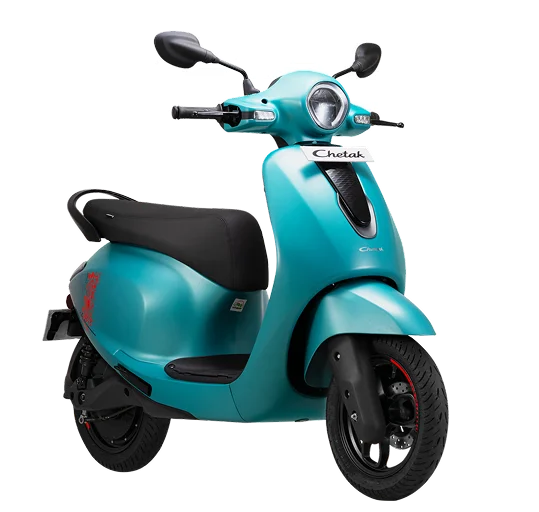
Bajaj Chetak C2501
Range and Charging Requirements
Range affects how often you need to charge your electric scooter. Your daily distance, riding speed, traffic, road conditions, and load can influence the actual range you get. Frequent charging can also affect your electricity usage over time.
Check the claimed range against your typical daily travel to understand how practical the scooter may be for your routine.
Riding Habits and Daily Distance
The way an electric scooter is ridden can influence its energy consumption. Frequent hard acceleration, high speeds, heavy loads, and stop-start traffic can require more energy during a journey.
Daily distance is another important factor. A commuter travelling several kilometres each day will generally use more energy over a month than someone who rides occasionally. Traffic and road conditions can further affect consumption.
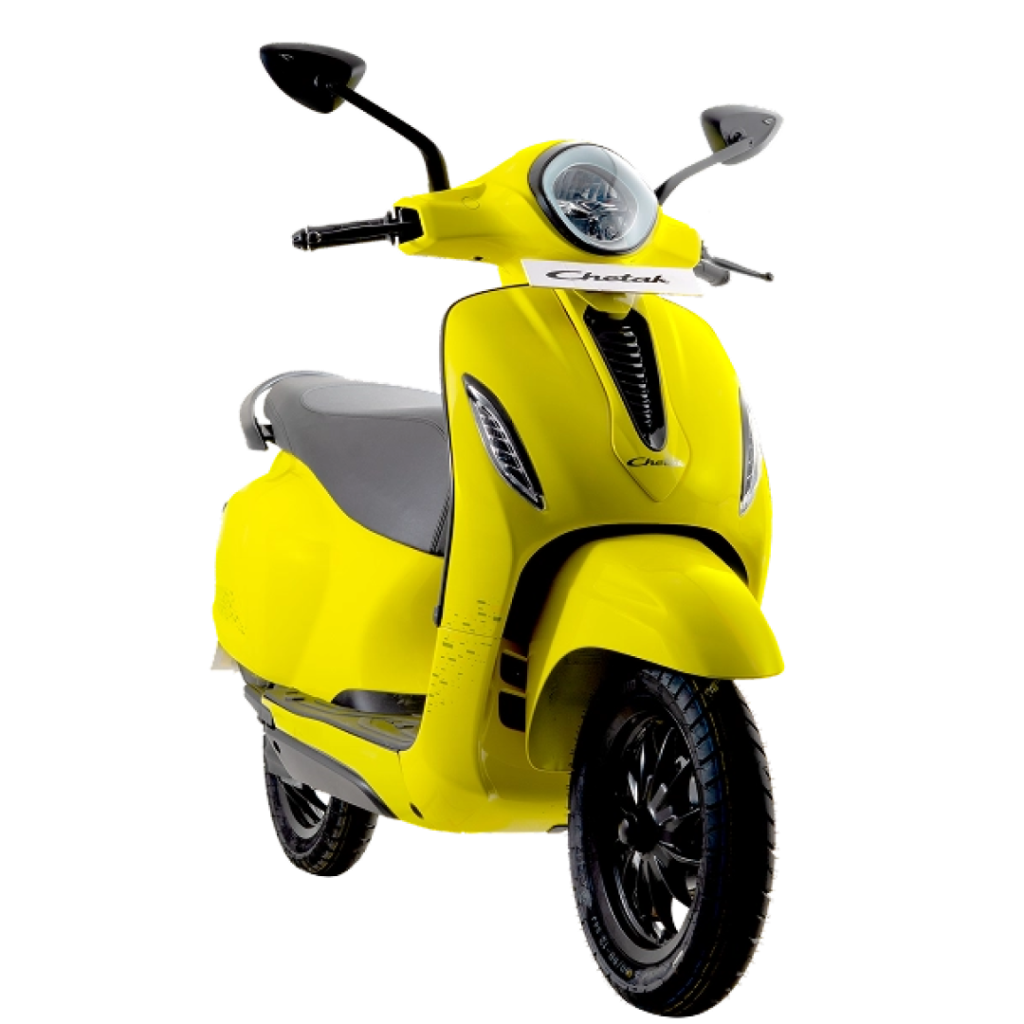
Bajaj Chetak C3001
Maintenance and Servicing Expenses
An electric scooter has fewer conventional mechanical components than a petrol-powered scooter, but it still requires regular checks and servicing. Brakes, tyres, suspension, and other wear-related components need attention as they are used.
Service schedules and costs can differ between manufacturers and models. Owners should review the recommended maintenance intervals and understand which checks are covered under applicable service plans or warranties.
Battery Life and Potential Replacement Costs
Battery health is an important consideration when assessing the long-term cost of an electric scooter. Charging practices, usage patterns, operating conditions, and battery technology can influence how the battery performs over its service life.
A replacement battery can be a significant expense if it is required outside applicable warranty coverage. Buyers should therefore check the manufacturer’s battery warranty, coverage period, and relevant terms before making a purchase.
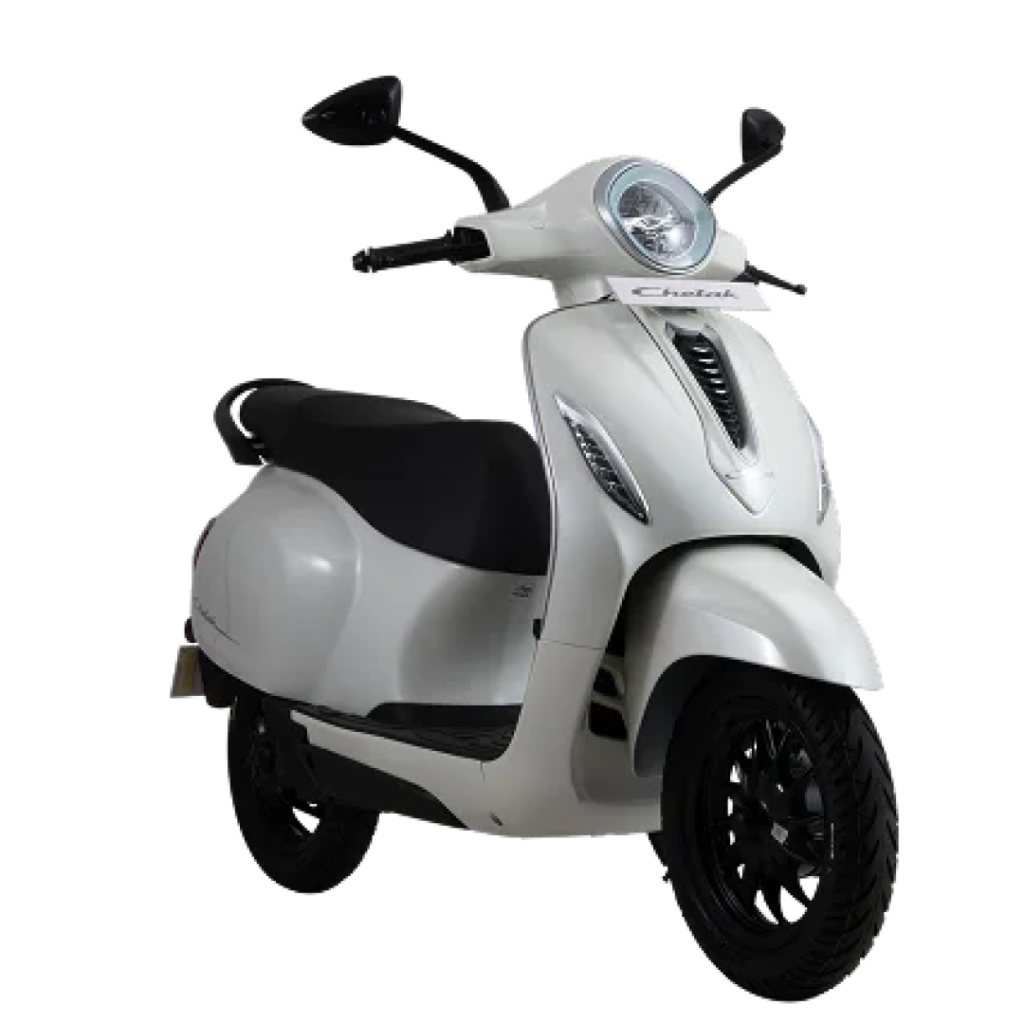
Bajaj Chetak C3503
Tyres, Brakes and Other Wear-and-Tear Components
Tyres, brake pads, and other consumable parts contribute to the ongoing cost of an electric scooter. Their replacement needs can depend on riding frequency, road surfaces, traffic conditions, and individual riding habits.
Tyres may experience faster wear on rough roads or with frequent use, while brake components can require attention based on riding conditions. These expenses may occur at different intervals rather than as fixed monthly costs.
Insurance and Other Ownership Expenses
The running cost of an electric scooter can also include insurance, accessories, financing-related costs, and other applicable expenses. These costs may vary according to the model, policy terms, purchase arrangement, and individual requirements.
Insurance is a recurring ownership consideration, while accessories can add to the initial or later spending. Financing can also increase the total amount paid over the repayment period, depending on the applicable terms.
Plan Your Electric Scooter Ownership Costs Before You Buy
An electric scooter can offer a different ownership cost structure from a petrol-powered two-wheeler, with electricity, maintenance, battery care and other expenses shaping the overall outlay. Daily distance and riding habits also influence how much you spend over time.
Before buying, estimate your charging needs, servicing expenses, insurance, and possible battery-related costs. Compare these with the features, range, and charging requirements of the models you are considering.
Brands like Bajaj Chetak offer electric scooters across different requirements, giving buyers options to assess alongside their budget and commuting needs. A clear view of long-term costs can help you make a more informed purchase decision.
Read more : The Smart Upgrade: What Makes Today’s eBikes Feel So Advanced