

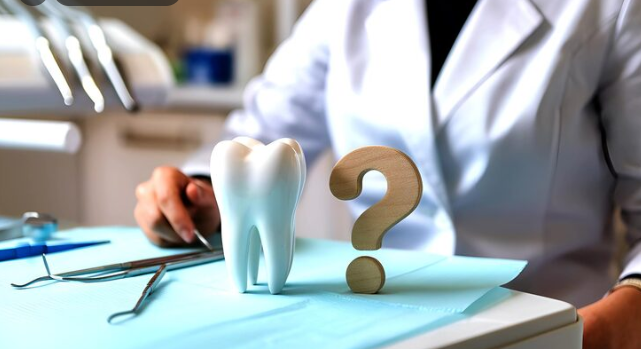
You sit down in the dental chair, hear the tools clink, and suddenly every question you meant to ask disappears. That happens to a lot of people. A Beaverton dentist knows dental visits can feel routine on the surface, but there is often a quiet worry underneath it. You may be wondering whether that sensitivity means something, whether your gums are getting worse, or whether you are doing enough at home to avoid bigger problems later.
A regular appointment is not just a cleaning. It is a chance to get clear answers before a small issue turns into pain, missed work, or an expensive procedure. The right conversation with your general dentist can help you understand your oral health, your risks, and the next steps that actually fit your life.
Your general dentist can spot problems before they get louder
Many people go in assuming that if nothing hurts, nothing is wrong. Teeth and gums do not always work that way. Cavities can start small. Gum disease can build slowly. Grinding, bite problems, and early enamel wear often show up before you feel real pain. A dental exam is designed to catch those changes early.
That is why one of the best things you can ask is, “What are you seeing right now that I should keep an eye on?” This opens the door to a fuller answer than a simple “everything looks fine.” Your dentist may point out early gum inflammation, a filling that is wearing down, or a spot that is not urgent now but needs watching.
The next useful question is, “Am I at risk for cavities, gum disease, or enamel loss?” Risk is personal. Two people can brush twice a day and have very different outcomes. Dry mouth, medications, smoking, diet, grinding, and genetics all matter. The CDC’s adult oral health tips highlight daily habits that lower those risks, but your dentist can tell you which ones matter most for you.
Daily habits matter more when they match your real life
A lot of dental advice sounds simple until it meets your schedule, stress, or budget. You buy floss and forget to use it. You brush hard because your teeth do not feel clean otherwise. You sip coffee all morning, then wonder why staining and sensitivity keep getting worse. None of that makes you careless. It means your routine needs to be realistic, not perfect.
Ask, “Is my brushing and flossing routine working, or do I need to change something?” This is one of the most useful questions to ask your dentist because technique often matters more than effort. A dentist may suggest a softer brush, fluoride toothpaste, interdental brushes, or a night guard if you are wearing down your teeth.
Ask, “What is causing my sensitivity, bleeding gums, or bad breath?” These symptoms are easy to dismiss because they come and go. They also tend to be signs people live with for too long. Bleeding gums can point to inflammation. Sensitivity may come from recession, grinding, decay, or cracked enamel. Bad breath can be linked to plaque buildup, dry mouth, gum disease, or even a restoration that is failing.
You can also ask, “Are there any treatments I should plan for soon, and what happens if I wait?” This helps you sort true urgency from something that can be monitored. If a filling is starting to fail, waiting may turn a small repair into a crown or root canal. If the issue is cosmetic and stable, you may decide to hold off. Clear timing matters when you are balancing health and cost.
Cost and prevention are easier to manage when they are discussed early
People often avoid asking about money because they do not want to sound difficult. Then they leave confused, put off treatment, and hope nothing gets worse. That cycle is common. It also makes dental care harder than it needs to be.
Ask, “What can I do now to prevent bigger dental problems and costs later?” This final question shifts the visit from reaction to prevention. It also gives your general dentist a chance to tailor advice to your habits, not a generic checklist. The National Institute of Dental and Craniofacial Research recommends steady home care, fluoride use, and regular professional visits, but your dentist can tell you where your weak spots are.
If you have been putting off a visit, this matters even more. A small cavity is easier than a broken tooth. Mild gingivitis is easier than advanced periodontal treatment. Prevention usually costs less, hurts less, and takes less time.
At-home care and professional dental care do different jobs
| Concern | At-Home Care | Professional Dental Care |
| Plaque control | Daily brushing and flossing remove fresh plaque | Cleanings remove hardened tartar you cannot remove at home |
| Early cavities | Fluoride toothpaste may help protect enamel | Exams and X-rays can find decay before pain starts |
| Bleeding gums | Better technique may reduce irritation | Dentist can check for gingivitis or periodontal disease |
| Tooth sensitivity | Sensitivity toothpaste may ease symptoms | Dentist can identify recession, cracks, decay, or bite issues |
| Long term costs | Consistent habits lower risk over time | Early treatment often prevents larger and more expensive procedures |
This is why what to ask a general dentist matters so much. Home care keeps things stable. Professional care finds what you cannot see and treats what your toothbrush cannot fix.
Clear steps make your next dental visit more useful
Write down your symptoms before the appointment. Note when the problem happens, how long it has been going on, and what makes it worse. “Cold drinks hurt on the left side for two weeks” is much more useful than “my teeth feel weird sometimes.”
Bring up changes in your health and medications. Dry mouth, gum changes, jaw pain, and healing can all be affected by new prescriptions, stress, diabetes, pregnancy, or sleep issues. Your dentist needs that context to give accurate advice.
Ask for a simple priority list. If your dentist finds more than one issue, ask what needs attention first, what can wait, and what you can do at home in the meantime. That makes treatment feel manageable instead of overwhelming.
Your next checkup does not need to be a silent cleaning followed by a rushed exit. A few direct questions can give you clarity, help you avoid bigger problems, and make you feel more in control of your care. If you have been unsure what to say at your next dentist appointment questions moment, start with these six and build from there.
Read more: 4 Common Preventive Services That Protect Oral Health Long Term