

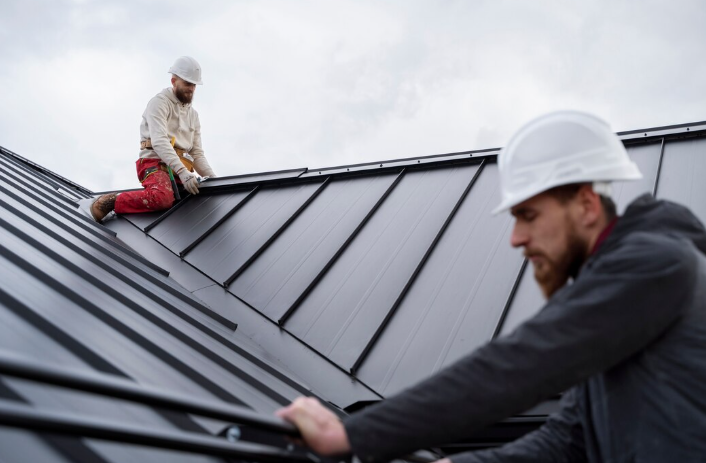
A roof protects everything beneath it, yet many homeowners delay replacement until serious problems arise. Understanding when a full roof replacement is necessary helps prevent costly structural damage and ensures long-term safety. Regular inspections can reveal early signs that repair alone may not be enough.
Recognizing Visible Damage
Visible damage often indicates deeper issues. Missing shingles, curling edges, or granule loss suggest that the roof’s protective layer is deteriorating. Water stains on ceilings or walls also point to leaks that may spread quickly. When several areas show wear, patching individual spots may not solve the underlying problem.
Age and Material Lifespan
Every roofing material has a typical lifespan. Asphalt shingles can last around two decades, while metal and tile may endure longer. Once a roof nears the end of its expected service life, even minor issues can escalate. Replacing the roof before severe deterioration sets in can save time and money later.
Assessing Roof Age
If the roof’s installation date is unknown, signs like fading color and brittle texture may indicate its age. A professional inspection can confirm whether the materials are still performing as intended or if a full replacement should be scheduled soon.
Weather and Storm Impact
Severe storms can shorten a roof’s lifespan dramatically. Hail, wind, and heavy rain often cause hidden structural damage. After major weather events, an assessment for potential storm roof replacement is wise, especially if shingles are missing or flashing has loosened. Ignoring storm-related issues can lead to leaks that spread quickly through insulation and framing.
Energy Efficiency and Insulation
Aging roofs often lose their ability to insulate effectively. Rising indoor temperatures in summer or heat loss in winter may signal that the roof is no longer sealing properly. A new roof can help stabilize energy use and maintain a more comfortable living environment throughout the year.
Frequent Repairs and Maintenance Costs
When small repairs become frequent, replacement may be more cost-effective. Consistent patching suggests that the roof’s structure is weakening. Comparing the cost of continual maintenance with the investment in a full replacement often reveals that a new roof offers better long-term value.
Professional Evaluation
While DIY inspections can identify obvious problems, a qualified roofing professional can detect subtle signs of deterioration. They can determine whether targeted repair or full replacement is the safer choice. In many cases, experienced crews handling Baton Rouge roof repair services can evaluate the entire system for structural integrity and potential upgrades.
Planning for a Long-Lasting Roof
Choosing the right time for replacement requires balancing the roof’s age, damage level, and performance. Proper ventilation, quality materials, and skilled installation all contribute to a longer lifespan. Regular maintenance after replacement helps prevent future issues and ensures that the new roof remains durable for decades.
By recognizing early warning signs and responding promptly, homeowners can protect their property from unnecessary damage. A timely roof replacement not only restores safety and efficiency but also enhances the overall value of the home.