

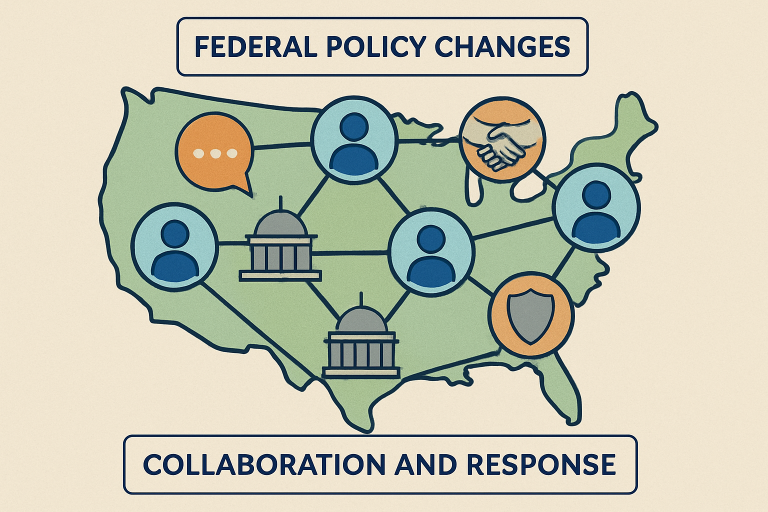
Navigating the evolving landscape of federal policy requires a strategic approach at the state level, where local governments often play a critical role in interpreting, implementing, and responding to nationwide changes. State officials and organizations must remain vigilant, assessing the potential impacts of federal decisions on local priorities, budgets, and regulatory frameworks. Proactive engagement with these developments allows states to adapt policies effectively while maintaining alignment with broader legislative goals and community needs.
Effective state government relations are central to this process, providing a structured means for states to communicate priorities, negotiate nuances, and coordinate with federal agencies. By fostering strong relationships between policymakers, agencies, and stakeholders, states can advocate for tailored solutions, influence implementation strategies, and ensure their communities’ interests are represented. This integrated approach helps maintain stability and consistency during periods of federal policy transition, ultimately supporting more informed decision-making at all levels of government.
Understanding the Impact of Federal Policy Changes
Federal policy changes can quickly reshape local funding, priorities, and regulatory environments. Adjustments such as Medicaid cuts, fluctuations in infrastructure funding, or new federal mandates are often felt most acutely at the state and community levels. States like Colorado and New Mexico have convened emergency legislative sessions to navigate new budget challenges, all while striving to protect essential state programs from disruption.
These shifts demand a comprehensive understanding of where federal roles end and state responsibilities begin. State-level fiscal stability can be threatened or enhanced by federal actions, compelling state governments to assess local program vulnerabilities and opportunities to strengthen resource streams.
The Role of State Advocacy
State advocacy is the process by which state officials and local advocates mobilize resources, shape policy, and respond to external policy shifts. This work can take many forms, from grassroots organizing to targeted legislative lobbying and coalition-building. Advocacy seeks not just to react to federal changes, but also to proactively set agendas that protect residents and foster innovation.
In periods of uncertainty, state advocacy groups are on the front lines, bridging the gap between policy intent and lived reality. Mobilization often includes educating the public and state legislators about the implications of federal actions, designing responsive policy proposals, and delivering testimony that amplifies local voices in the policymaking process.
Collaborative Efforts in Advocacy
Successful advocacy increasingly requires working with a wide network of partners. In Connecticut, advocacy coalitions like “Health Justice Now” have shown that collaborative campaigns can spur meaningful health reforms in response to federal funding threats. Joint efforts mean that policy solutions benefit from a wide range of expertise from healthcare and education to economic development and social services.
These coalitions facilitate the sharing of research, best practices, and resources, and coordinate public messaging for greater impact. In an era of unpredictable federal priorities, collective action becomes a critical tool for advancing state objectives and maintaining vital safety nets.
Proactive Policy Development
When facing potential setbacks from federal changes, forward-thinking states take a proactive stance. For example, New York passed the Child Poverty Reduction Act, a bold commitment to halving child poverty over the next decade, regardless of shifting federal strategies. Such measures reflect states’ resolve to address pressing social issues and maintain progress even during periods of national uncertainty.
Proactive policies not only protect at-risk communities but also position states as models for others facing similar challenges. By investing in preventive programming, research, and stakeholder engagement, states can create resilient policy infrastructures that endure despite federal volatility.
Challenges in State Advocacy
State advocacy is consistently challenged by shifting federal landscapes. Nonprofit organizations, particularly those operating in rural communities, face resource constraints when federal funding is frozen or reduced. Administrative changes at the state level, often necessitated by misaligned federal directives, can introduce new barriers for service providers and those they serve, such as caregivers and people with disabilities.
Effective advocacy must therefore bridge not just funding and regulatory gaps, but also the growing complexity of compliance and reporting requirements that can inadvertently strain frontline workers and beneficiaries.
Strategies for Effective State Advocacy
States can consider several strategies to reinforce their advocacy efforts in response to federal shifts:
- Establish Dedicated Task Forces: States should create standing committees to continuously monitor federal developments and analyze their potential impacts on programs and services.
- Engage in Public-Private Partnerships: Collaborating with non-governmental organizations, academic experts, and private sector partners spreads expertise and resources, and strengthens the resilience of proposed policies.
- Invest in Public Awareness Campaigns: Education drives both policymaker action and broader public engagement, helping to secure support for urgent state priorities.
- Leverage Data and Research: Basing advocacy on rigorous data analysis ensures that state responses are effective, targeted, and justifiable in legislative debates.
Conclusion
State advocacy is an essential engine propelling states forward during times of uncertain federal policy. By fostering collaboration, investing in proactive policy design, and staying attuned to community needs, states can shield residents from negative impacts and cultivate environments where all citizens can thrive. The ongoing success of these efforts relies on advocates’ ability to sustain engagement and innovate in response to every federal turn.