

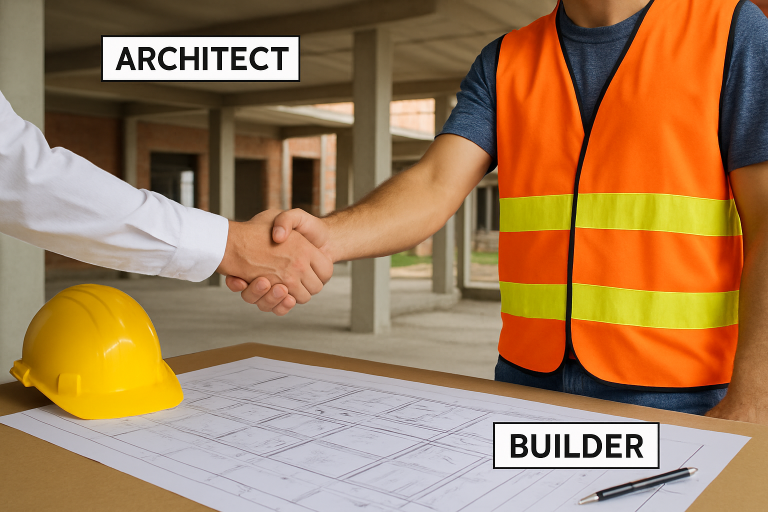
Commercial construction is rapidly evolving as companies seek better ways to bring visions to life while minimizing delays and cost overruns. Among the most effective innovations in this industry is the design-build methodology, in which a single entity oversees both design and construction. This unified approach has become a popular solution for delivering streamlined, high-quality projects and is especially beneficial for businesses seeking efficient turnkey office build outs that minimize downtime.
The rise of design-build is evident across sectors, with commercial clients increasingly prioritizing collaboration and transparency. Unlike traditional construction models that separate design and build responsibilities, design-build fosters a culture of teamwork and shared goals. This results in projects that are completed quickly, with fewer disputes and greater overall stakeholder satisfaction.
Cutting-edge companies are using design-build not only as a tool for speed and cost control but also as a foundation for innovation. From corporate offices to retail spaces, this model delivers environments tailored to client needs, with flexibility and scalability built in. As expectations for commercial spaces grow more complex, having a single point of accountability helps ensure the finished project aligns with the original vision.
As interest in collaborative construction continues to expand, understanding the details and long-term advantages of design-build is crucial for anyone involved in commercial real estate development. This approach not only changes how teams work together but also fundamentally reshapes what is possible in environments designed for productivity, culture, and business performance.
Understanding the Design-Build Approach
The traditional design-bid-build model keeps design and construction as separate contracts. This separation often introduces delays, miscommunications, and unexpected costs, as each phase operates independently and may have conflicting interests. In contrast, design-build unites architects, engineers, and contractors from the outset, creating a continuous feedback loop that optimizes the entire project lifecycle.
In a design-build scenario, the client contracts with a single organization responsible for both design and construction. This accountability means that design solutions are inherently practical and constructible from the beginning, and any challenges that arise can be swiftly managed. By overlapping phases, the project can move forward more efficiently compared to the linear, more fragmented design-bid-build process.
As highlighted by industry leaders and organizations such as the Design-Build Institute of America, this approach often improves project predictability. Clients gain greater certainty about costs, schedules, and outcomes because all team members are aligned on the same goals and deliverables.
Benefits of Design-Build in Commercial Construction
- Streamlined Communication: With design and construction professionals collaborating from day one, information flows smoothly, and misunderstandings are minimized. Project changes can be addressed in real time, so business goals are consistently prioritized.
- Cost Efficiency: Early involvement of construction expertise enables thorough value engineering and more reliable budgeting. This collaborative decision-making reduces the chance of costly change orders and helps deliver projects within or under budget.
- Faster Project Completion: Overlapping design and construction phases enables projects to start sooner and progress more quickly, getting businesses into their new or improved spaces faster. Design-build projects often finish up to 30 percent faster than traditional approaches.
- Enhanced Quality Control: Because the same team is responsible for both design and construction, there is shared accountability for the final outcome. This encourages attention to detail, higher standards, and greater client satisfaction upon project completion.
Real-World Examples of Design-Build Success
The impact of the design-build model is being seen in large-scale projects across the country. The New York City Department of Design and Construction, for example, noted that its adoption of design-build methods led to savings of over $1.4 billion and more than 50 years of project time across 42 city projects. These outcomes are driven by transparent collaboration, efficiency, and a proactive approach to solving construction challenges.
Large corporations, universities, and even healthcare facilities have also realized significant gains by choosing design-build. Critical timelines, complex code requirements, and specialized facility needs benefit greatly from the single-source responsibility design-build provides, reducing both risk and administrative burden while maintaining creative flexibility.
Challenges and Considerations
Despite its many benefits, design-build is not without its challenges. Success largely depends on selecting a team with the right blend of skills and direct experience in similar projects. Due diligence in vendor selection is imperative, as the partnership established at the start will shape the entire process.
- Selection of the Right Team: Picking the right design-build partner is critical. This decision will dictate everything from project communication to workmanship and overall satisfaction.
- Loss of Checks and Balances: Consolidating design and construction can reduce the built-in oversight that separate contracts provide. Clients should insist on clear project management controls and maintain their own regular touchpoints throughout the project.
- Legal and Contractual Issues: Since both design and build sit within one contract, roles and responsibilities must be clearly defined. Legal counsel can help ensure that terms are comprehensive and protect the interests of all parties.
Future Trends in Design-Build
Design-build is expected to further outpace traditional models as technology and sustainability demands grow. The integration of Building Information Modeling (BIM) is making it easier to visualize, refine, and coordinate every aspect of a project, minimizing surprises and maximizing value.
Sustainability and resilience are also gaining ground as top priorities in commercial spaces. Design-build firms are adapting rapidly, offering clients environmentally friendly solutions from material choices to energy-efficient systems, all within the streamlined design-build workflow.
The method is also expanding its reach beyond traditional commercial spaces, into infrastructure, education, healthcare, and public projects. This trend points to a future where versatility, adaptability, and collaboration are the defining characteristics of successful construction projects.
Conclusion
The design-build approach has become a transformative force in commercial construction, offering integrated solutions that save time, reduce costs, and elevate project quality. As businesses compete in fast-changing markets, the partnership-focused design-build mindset will be crucial for delivering cutting-edge spaces that support growth, innovation, and productivity.
Related posts:
 How to Write a Business Plan in 5 Steps
 The Essential Guide to Residential Heating Oil: Benefits, Maintenance, and Cost-Saving Tips
 Top 5 Hispanic-Owned Tech Businesses That Will Inspire You to Start Your Own
 From Outreach to Income: Best Marketing Tools for Freelancers to Win Clients and Grow Consistently
