

Introduction
The nursing profession constantly evolves, and career advancement often hinges on acquiring new qualifications. Pursuing a Master’s in Nursing Education (MSN) elevates your clinical expertise and teaching abilities. It paves the way for a broader range of career opportunities inside and outside direct patient care. Advanced degrees can be transformational for nurses who want to inspire the next generation or move into leadership roles. If you’re exploring a flexible way to enter this growing field, consider options like an MSN nurse educator online program, online nurse educator programs that allow you to balance your studies with your existing professional and family commitments.
As the healthcare landscape becomes more complex, nurses with advanced education are uniquely positioned to influence the quality of care, shape educational standards, and fill significant leadership gaps in the industry. The Bureau of Labor Statistics emphasizes that graduate-educated nurses are increasingly in demand as educators and clinical leaders, meeting workforce shortages and driving improved health outcomes nationwide.
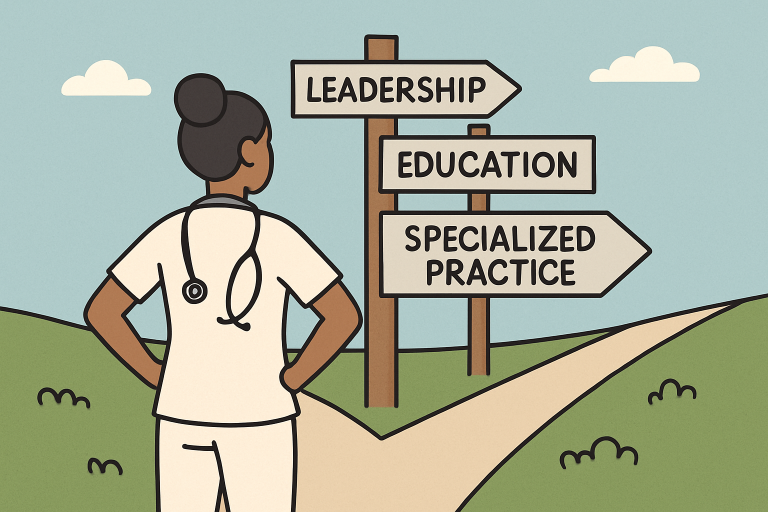
Transitioning to Nurse Educator Roles
Moving into academic or clinical education roles is one of the most impactful transitions for MSN-prepared nurses. Nurse educators are vital for training new nurses and providing ongoing development for practicing professionals. This field is experiencing robust job growth—according to projections from the U.S. Bureau of Labor Statistics, employment for nurse educators is expected to increase by 22% between 2020 and 2030, far outpacing the average for all professions. Academic medical centers, community colleges, and teaching hospitals seek MSN-prepared faculty and educators capable of shaping future nursing standards and practice.
Beyond classroom teaching, nurse educators often participate in curriculum development, continuing education, and policy advocacy. These skills are especially crucial as the healthcare sector adapts to new technologies, regulatory requirements, and population health challenges. For healthcare professionals considering this transition, online MSN programs offer a pathway to gain these qualifications in a convenient, flexible format, making it feasible to continue working while advancing your education.
Leadership and Administrative Positions
Master’s-level education in nursing does more than equip you for teaching. It opens doors to leadership and administrative positions across various healthcare settings. Roles like nurse manager, director of nursing, or chief nursing officer require advanced human resources, financial management, healthcare policy, and organizational leadership knowledge. With an MSN, nurses gain the communication, critical thinking, and problem-solving skills needed to oversee multidisciplinary teams, develop and implement protocols, and drive strategic change. Programs like those at Arkansas State University are designed to prepare nurses for these leadership roles by combining advanced clinical knowledge with organizational and managerial training.
These leadership positions are critical to shaping patient care delivery and ensuring the efficient operation of healthcare facilities. Strong leaders contribute directly to the success of their teams and organizations, which can markedly affect patient satisfaction and health outcomes. According to the American Organization for Nursing Leadership, having nurse leaders with advanced degrees helps bridge the gap between clinical practice and executive decision-making, ultimately improving the quality and safety of care provided.
Specialized Clinical Roles
Another valuable option with an MSN is entering specialized clinical practice. Advanced Practice Registered Nurse (APRN) roles, such as nurse practitioner, nurse anesthetist, nurse midwife, or clinical nurse specialist, provide high levels of autonomy and the ability to deliver specialized care in diverse environments. These roles require clinical expertise and advanced knowledge, making the MSN a critical stepping stone. For example, nurse practitioners can diagnose conditions, prescribe medications, and manage patient treatment plans—traditionally reserved for physicians.
These specialized roles offer greater independence and professional satisfaction and are essential to addressing provider shortages in primary care and specialty services. The expansion of APRN roles continues to gain support as healthcare systems strive to deliver more accessible, patient-centered care.
Increased Earning Potential
Higher credentials often equate to higher earning power. Nurses who complete an MSN typically command bigger paychecks than their counterparts with only an associate or bachelor’s degree. According to the U.S. Bureau of Labor Statistics, the median annual salary for advanced practice nurses is approximately $123,780, which reflects both the specialized skills and the level of responsibility required for these roles. Nurse educators, administrators, and APRNs can all expect robust earning potential, competitive benefits and opportunities for advancement.
Flexibility and Work-Life Balance
While bedside nursing often involves shift work and irregular hours, advanced degrees unlock career options with greater scheduling flexibility. Nurse educators, administrators, and some clinical specialists may enjoy office-type hours, reduced weekends and holiday shifts, and enhanced work-life balance. This flexibility appeals to many experienced nurses who seek to maintain their careers while meeting personal or family obligations. It also supports longevity in the profession, reducing burnout and fostering long-term job satisfaction.
Contributing to the Nursing Profession
Nurses who obtain an MSN play a crucial role in shaping the future of healthcare by mentoring new professionals, leading quality improvement projects, and developing evidence-based practices. As educators, they help alleviate the nursing faculty shortage, a key barrier to expanding the nursing workforce. Through leadership roles, MSN-prepared nurses drive improvements in patient care, safety, and organizational effectiveness. By pursuing this advanced education, you become an agent of change—helping elevate the standards and impact of the nursing profession.
Final Thoughts
Earning a Master’s in Nursing Education broadens your professional horizon, offering pathways into academia, leadership, and advanced practice roles. It provides higher earning potential, better work-life balance, and—most importantly—the opportunity to make lasting contributions to patient care and nursing. Whether you wish to educate, lead, or specialize, an MSN is a strategic investment in your future and healthcare.