

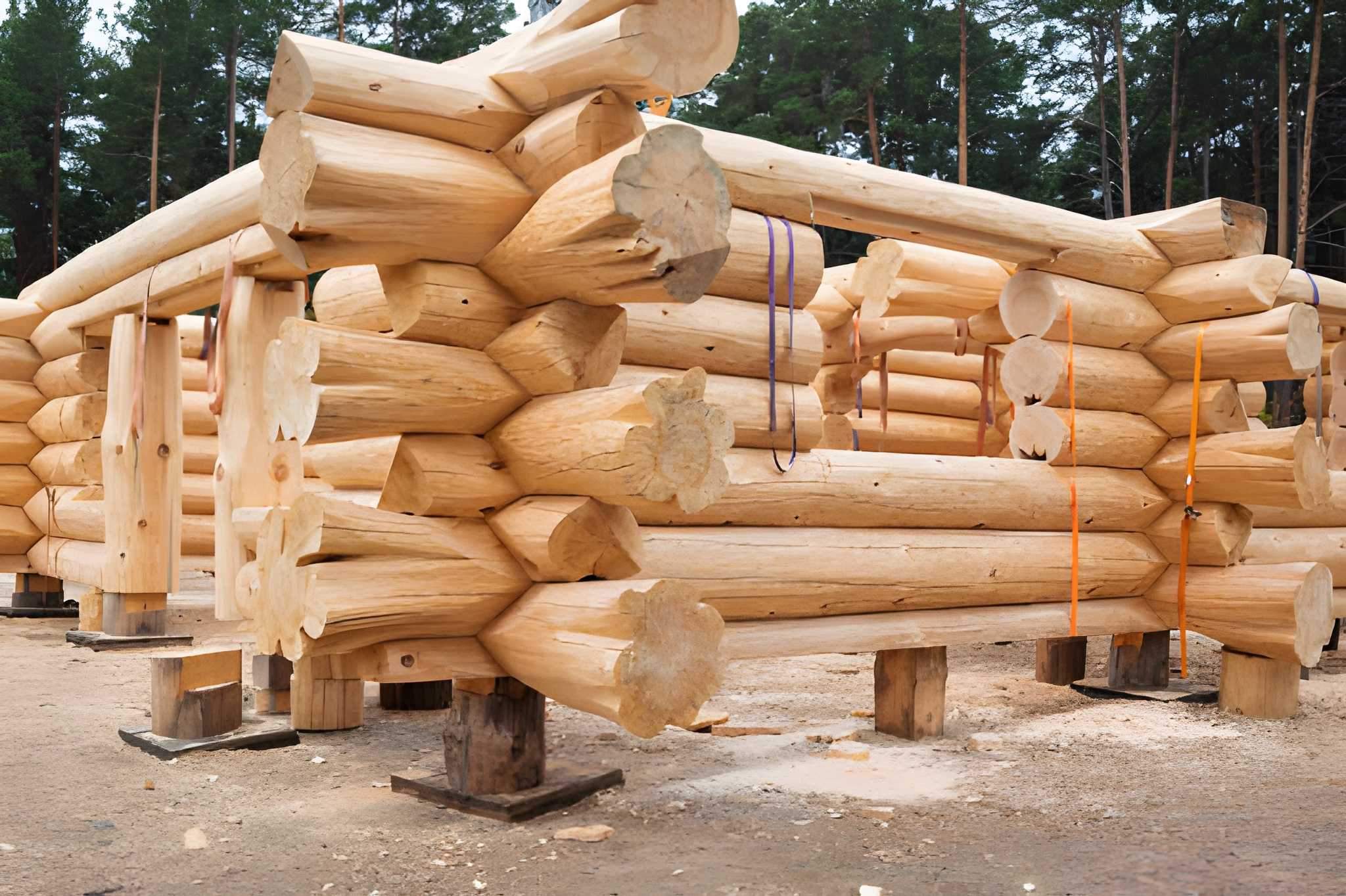
Modern log homes are redefining the future of eco-friendly living by marrying rustic charm with the latest in sustainability. Today’s builders and homeowners can create striking, energy-efficient residences that not only blend harmoniously with their natural surroundings but also support responsible resource stewardship. By embracing sustainable practices and technologies, log homes offer a path toward greater comfort, efficiency, and value—all while minimizing their ecological impact. To explore custom design options that prioritize sustainability and craftsmanship, consider trusted experts like Frontier Log Homes.
Utilizing time-tested logs in combination with advanced green building standards helps you create a legacy home that stands the test of time. From selecting responsibly harvested wood to deploying innovative systems that trim energy usage, every aspect of a modern log home can be optimized for environmental responsibility. Carefully designed log homes are not only beautiful—they’re engineered for healthier indoor environments, smaller carbon footprints, and significant cost savings year after year.
Menu list
Recycled and Renewable Materials
One of the most effective strategies for creating a sustainable log home is selecting materials that tread lightly on the earth. Reclaimed wood sourced from old barns and decommissioned buildings is an ideal choice, as it carries distinctive character and reduces the need for harvesting new timber. Using such salvaged materials actively protects forests while preserving a sense of history and craftsmanship within each home.
Builders also turn to renewable resources, such as fast-growing bamboo or certified sustainable timber, that replenish at a rapid rate compared to traditional hardwoods. These choices extend beyond just the logs: recycled metal for roofs, fixtures, and hardware can boost durability and limit waste. Adopting these practices not only aligns with major green building certification programs but also cuts construction costs and landfill contributions.
From insulation made of recycled denim to low-VOC finishes, every element of a modern log home can be sourced with environmental impact in mind. As highlighted in resources from the U.S. Green Building Council, incorporating recycled content into residential construction is one of the key ways to reduce waste and lower the embodied carbon emissions associated with construction. Homes built with these principles are naturally more resilient and healthier for residents.
Energy-Efficient Designs
Thoughtful design is fundamental to a log home’s sustainability. Proper building orientation is crucial: when a log home is positioned to capture sunlight in winter while remaining shaded in summer, it can passively regulate indoor temperatures and dramatically lower reliance on mechanical heating and cooling systems. A new generation of eco-conscious architects and builders is embracing this classic, passive solar principle.
Modern log homes often outperform conventional houses in thermal retention thanks to the inherent insulating properties of thick log walls. High-quality insulation, tight-fitting windows, and advanced weather-proofing techniques further reduce heat loss. According to the U.S. Department of Energy, energy-efficient home design not only saves money on utility bills but also enhances long-term home comfort and resilience.
Advanced Construction Techniques
Precision craftsmanship is another pillar of sustainable log home building. Modern innovations in log milling, CNC joinery, and manufacturing have enabled components to fit together with remarkable precision. Techniques such as tongue-and-groove assembly and dovetail notching create natural barriers against wind, moisture, and insects, making the finished structure robust and energy-efficient.
High-quality chinking and caulking materials help seal microscopic gaps and prevent drafts or leaks, thereby further safeguarding indoor comfort and air quality. By investing in meticulous construction practices, homeowners ensure that their log home retains warmth in winter and stays cool in summer. This reduces the frequency and duration of HVAC usage, thereby lowering both the costs and emissions associated with climate control.
Incorporating Modern Technologies
Today’s log homes seamlessly incorporate 21st-century technologies that further elevate their sustainability credentials. Solar panels, when installed on a properly oriented roof, can offset or even eliminate grid electricity use, effectively turning a home into a net-zero energy residence. Geothermal heat pumps offer an alternative for heating and cooling that pulls energy from the earth, providing exceptional efficiency.
The rise of smart home technology enables homeowners to actively manage their energy usage, monitor system health, and optimize lighting, climate, and appliance schedules for reduced consumption. Even simple upgrades, such as programmable thermostats and LED lighting throughout the home, can pay dividends in sustainability over time. These technology adoptions transform log homes into models of future-ready, eco-friendly living.
For more on how technology is shaping sustainable home construction, Architectural Digest discusses innovative systems and green innovations in modern builds.
Case Study: Tasmanian House Initiative
The Tasmanian House initiative exemplifies the ingenuity and community spirit that are possible in sustainable homebuilding. Emerging from an Australian grassroots effort, the project empowers people to construct their own log homes using locally sourced, affordable materials. The designs focus on passive solar gain, high thermal mass, and minimal reliance on imported products.
Energy models demonstrate that these homes require little energy for heating or cooling, and their open-source plans are being adapted and improved by builders worldwide. The Tasmanian House initiative stands as proof that eco-friendly log homes can be attainable and scalable for a wide range of budgets and locations, making sustainable living approachable for all.
Conclusion
Sustainable building techniques have fundamentally reshaped what’s possible for modern log homes. Whether choosing reclaimed materials, designing for natural efficiency, or embracing innovative technologies, homeowners can create spaces that deliver beauty, comfort, and a lighter environmental footprint. The story of the Tasmanian House initiative shows that sustainable building is both practical and transformative, guiding log home design toward a greener, more responsible future.