

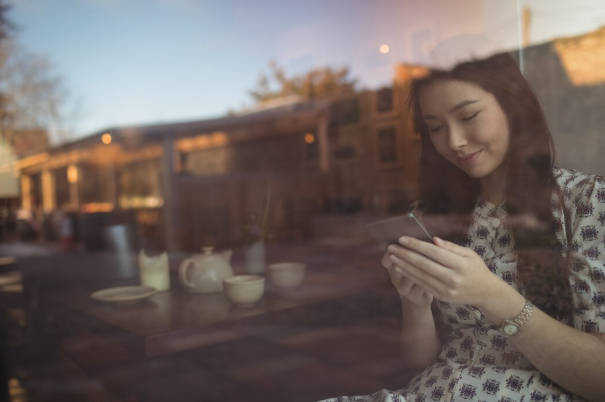
France has always had a particular talent for leisure. Not the rushed, apologetic kind – the kind squeezed between obligations – but leisure as a philosophy. The two-hour lunch. The unhurried café crème. The Sunday market walk that wasn’t really about buying anything. This culture of deliberate rest and social pleasure is baked into French daily life in ways that other countries have long admired.
But French leisure is changing. Screens have entered the picture in a serious way, and the country’s relationship with digital entertainment now shapes how millions of people spend their evenings, weekends, and downtime. The shift isn’t total – the café terrace hasn’t been abandoned – but it’s real. Platforms designed specifically for French audiences have grown substantially, including in areas like wellness and digital health; slimking is one example of a French-market digital service that reflects how lifestyle habits, including those around fitness and body image, are increasingly mediated through apps and online communities. The question is what French leisure actually looks like now, when you put the stereotype aside and look at how people are really spending their free time.
The Café Culture That Isn’t Going Anywhere
Start with what hasn’t changed: the café. France has roughly 35,000 cafés, which sounds like a lot until you consider that the country had over 200,000 in the mid-twentieth century. The decline is real, but the ones that remain are often thriving. In cities and towns alike, the café terrace functions as an outdoor living room – a place to watch the street, argue about football, or simply sit without a stated purpose and be considered perfectly normal for doing so.
This tolerance for unstructured public leisure is genuinely distinctive. In many cultures, sitting alone in a café without a visible task signals social awkwardness. In France, it signals that you understand what cafés are for. The culture of flânerie – purposeful wandering, attentive presence in public space – remains embedded in urban French life in a way no amount of smartphone distraction has fully dislodged.
Eating as a Leisure Activity
Food in France operates on a different register than in countries where eating is primarily functional. The shared meal – lunch on a weekday, the extended Sunday dinner – is still a social institution rather than a scheduling problem. French people spend more time eating per day than almost any other nationality, and surveys show they report less guilt about it. This isn’t just nostalgia. School canteens serve three courses. Many workplaces still have dining rooms. The concept of the lunch break as an actual break, taken seriously, persists more stubbornly in France than in most comparable economies.
Screens, Streaming, and Saturday Night
The digital shift in French leisure has been dramatic over the past decade. France now has one of the highest rates of Netflix penetration in Europe. French-language content has driven significant engagement – series like Lupin and Call My Agent became international phenomena partly because they captured something specifically French that resonated beyond France.
| Leisure Activity | Still Popular? | Notable Trend |
| Café culture | Yes | Declining in number, strong in culture |
| Cinema attendance | Mixed | Strong tradition, streaming competition |
| Reading | Yes | One of highest book-reading rates in EU |
| Football viewing | Very strong | Major live event gatherings |
| Streaming platforms | Growing fast | French content driving subscriptions |
| Outdoor/walking | Growing | Post-pandemic surge, sustained |
Gaming has also grown substantially among French adults. France has a large active gaming community that skews older than many assume, with a significant proportion of regular players in the 35-55 age bracket. Mobile gaming has expanded the audience well beyond the traditional “gamer” image.
The Wellness Turn
One of the more notable shifts in French leisure is the growth of wellness culture. The traditional French attitude toward health leaned more toward enjoying life and less toward optimising it. That balance is shifting. Running has become genuinely popular. Yoga studios are a standard feature of most urban neighbourhoods. App-based fitness tracking has moved from niche to mainstream. This is partly generational – younger French adults have absorbed global wellness culture through social media – and partly a response to longer working hours and greater urban stress. The same pressures eroding traditional leisure are also driving demand for new forms of deliberate self-care.
What French Leisure Actually Tells Us
The snapshot is interesting precisely because it doesn’t resolve neatly. France has held onto certain leisure traditions – the café, the long meal, the walk – with more tenacity than most comparable countries, while also embracing digital entertainment and wellness culture at rates that parallel European averages. What seems consistent is the underlying attitude: leisure should be taken seriously. Whether it’s a Saturday spent entirely at the cinema followed by dinner, or an evening split between a streaming series and a fitness app, the French cultural assumption that free time deserves genuine investment hasn’t disappeared. It’s just expressed through new channels. That might be the most French thing of all.