

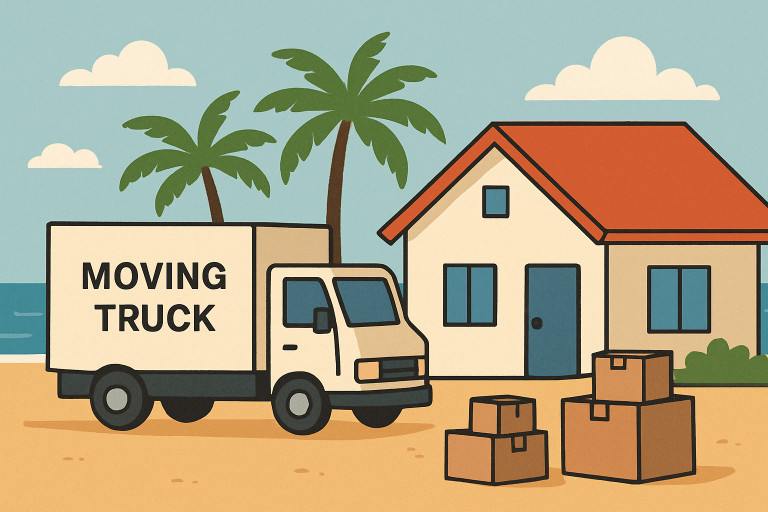
The allure of warm sand, gentle ocean breezes, and a laid-back atmosphere draws many to the coast. If you’re dreaming of a new life by the sea, moving to a beach town requires careful planning and a deeper understanding of what life on the shore actually entails. Before you pack up and set sail, it’s crucial to be realistic about the logistics, lifestyle, and challenges you might face in your new coastal community. For those seeking a fresh start near Jacksonville’s sparkling coastline, you may want to begin your search by exploring homes for sale in Jacksonville Beach FL.
Coastal relocation isn’t just about swapping traffic noise for ocean waves; it comes with unique weather considerations, different costs of living, and particular community dynamics. Thoughtfully preparing for the move will make your transition smoother and ultimately more rewarding, ensuring that the dream of coastal living doesn’t get washed away by common surprises.
Let’s navigate the step-by-step guide to make your move smarter, safer, and more enjoyable. From understanding the quirks of local weather to budgeting for the beach lifestyle, every aspect plays a role in your long-term happiness and security in your new seaside home.
Whether you’re moving for work, retirement, or simply a change of scenery, gaining insight into beach town living will help you thrive in your new environment. Here’s what you need to know to get started.
Understanding the Local Climate
One of the defining features of living by the sea is the climate, which can be as challenging as it is pleasant. Coastal towns, particularly those on the Atlantic and Gulf coasts, experience high humidity, strong ocean winds, and seasonal threats such as hurricanes and tropical storms. In regions such as Florida, the Carolinas, and Texas, hurricane season runs from June through November.
It’s essential to become familiar with the forecast patterns in your chosen area. Develop a disaster preparedness plan and have a clear evacuation route. Proper preparation could make all the difference when severe weather strikes.
Assessing the Cost of Living
Beachfront living is highly sought after, often resulting in higher prices for housing, property taxes, and everyday essentials. Before making the move, closely analyze your financial situation, factoring in any increases for groceries, utility bills, and even basic services that might be pricier in tourist-heavy or remote areas.
Comparing local finances is just as important as falling in love with ocean views.
Securing Appropriate Insurance
Insurance needs are different in coastal regions. Flood insurance is mandatory in many areas designated as high-risk flood zones by FEMA, which is often not covered in standard homeowner policies. Hurricane and windstorm riders are also crucial for properties exposed to the elements. Expect insurance premiums to be significantly higher in coastal locations, particularly in Florida and the Carolinas, as insurers factor in the increasing risks associated with climate change.
Tips for Securing Insurance
- Check FEMA flood maps for zone status before purchasing.
- Request detailed insurance quotes before finalizing a move.
- Understand exclusions and deductibles, especially for wind and water damage.
Protecting Your Belongings from Salt Air
While the ocean breeze feels refreshing, salt air can be surprisingly corrosive. Items made from metal, wood, and even some textiles decay faster when constantly exposed. Prioritize bringing and buying weather-resistant furniture, stainless steel appliances, and protective coverings for vehicles.
Regularly rinsing outdoor belongings, sealing wood, and using dehumidifiers inside your home can significantly extend the life of your possessions. Storage solutions such as climate-controlled units are a smart investment for valuables or delicate electronics.
Planning Your Move During Optimal Seasons
The timing of your relocation can affect the ease and cost of your move. Early spring (March-April) or fall (October-November) typically provides mild weather and lighter tourist traffic, reducing logistical headaches. Avoid moving during summer’s heat or the unpredictability and dangers of hurricane season whenever possible.
Movers and rental rates may also offer better deals during off-peak periods, and traffic in beach towns is generally less congested outside of the busy tourist months.
Engaging with the Local Community
Integrating into your new coastal community will be one of the most rewarding aspects of your move. Attend local events, frequent neighborhood businesses, and strike up conversations with neighbors. Many beach towns have unique festivals, weekly markets, or neighborhood cleanups, providing ideal opportunities to connect.
Building local relationships makes it easier to adapt, find support, and feel at home—key ingredients for long-term happiness in a new location.
Tourist patterns can dramatically change the energy and pace of a beach town. During high season, expect crowded public spaces, longer wait times at local businesses, and heavier road traffic. Savvy residents plan errands and social outings at off-peak times, ensuring a less disrupted daily routine.
Learning the rhythms of your town—busy versus quiet months—can help you make the most of the area and avoid frustration, particularly in popular destinations.
Embracing the Beach Town Lifestyle
Living by the sea is as much about community culture as it is about proximity to water. Embrace the slower pace and unique customs, participate in local traditions, and enjoy an abundance of outdoor activities, from paddleboarding to sunset strolls. The more open you are to new experiences and people, the richer your beach town living will become.
Conclusion
Moving to a beach town provides a fulfilling lifestyle characterized by natural beauty, a sense of community, and a relaxed pace. However, it requires thoughtful preparation. Be aware of climate-related risks, anticipate increased living costs, safeguard your possessions, and plan your move carefully to avoid typical mistakes. Connecting with the local community and adjusting to seasonal variations can enhance your stay. With adequate planning and realistic expectations, relocating to the coast can be a smooth, enjoyable, and sustainable experience.