

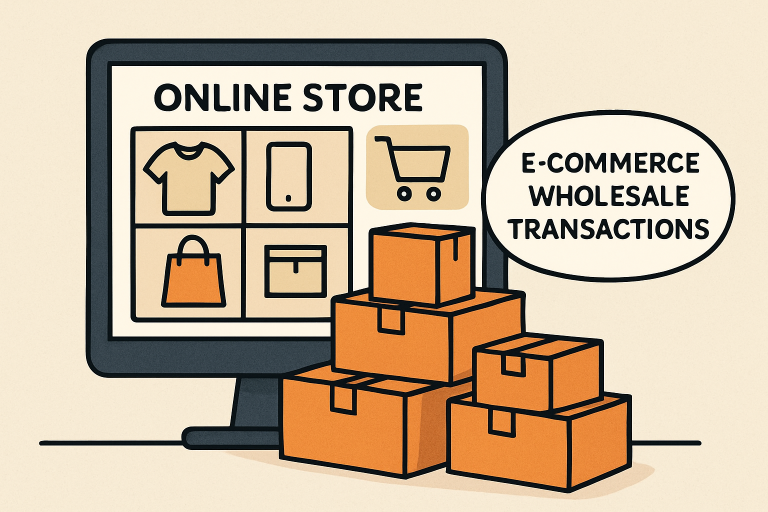
Embarking on the journey of selling wholesale products online can be an exciting and profitable venture, opening your business up to a broader array of retail buyers worldwide. A well-executed strategy lays the foundation for a thriving wholesale business. Taking the first step requires careful attention to critical areas such as product selection, pricing, and platform choice. Leveraging platforms like USA wholesale pallets can make the sourcing and selling process more streamlined, enabling even new sellers to break into the wholesale market easily.
Establishing a robust online presence for your wholesale business is key to tapping into new markets and scaling beyond traditional, local distribution channels. Online wholesale not only offers increased visibility but also brings efficiencies in marketing, inventory management, and customer service. By following essential steps and learning from proven methods, you can quickly set up a business model that caters to retail clients seeking bulk orders and competitive pricing.
It’s worth noting that understanding the fundamentals of B2B transactions—and specifically, what differentiates wholesale commerce from retail—is crucial. Wholesale buyers expect streamlined processes, competitive margins, and trustworthiness. Delivering a seamless experience is often the difference between landing a major client and losing them to a competitor. Selecting products that match your target industries and implementing a customer-first mentality are core ingredients for long-term success.
Beyond product and pricing, a wholesale business must deploy digital tools and customer relationship strategies to maintain a consistent supply chain and ensure loyalty. As e-commerce continues to transform how products are sourced and resold, now is the perfect time to learn the essential steps and set up your business for scalable growth.
Understanding Wholesale Pricing
Establishing a sound pricing strategy is one of the most critical tasks when selling wholesale. The standard model typically sets wholesale prices at roughly half the retail price, ensuring ample profit margins for both wholesalers and retailers. For example, with a retail price of $20 and a production cost of $5, a wholesale price of $10 allows for a profitable margin while remaining attractive to buyers. Recognize that wholesale clients often expect volume discounts and favorable terms; therefore, be prepared to negotiate and adjust pricing to accommodate large orders as needed.
Sourcing Products
Selecting the right products to sell in bulk is fundamental to your success. Focus on items that are consistently in demand, lightweight, easy to ship, and durable enough for transit. Use resources like Amazon Best Sellers to research trending products in various categories. You can also partner with reliable sourcing platforms such as Faire, which curates thousands of trustworthy brands and products for wholesalers. Selecting SKUs that complement your target market reduces risk and increases the likelihood of repeat business.
Setting Up Your Online Store
Launching an online store designed for wholesale buyers ensures smooth, scalable transactions. Choose an e-commerce platform that provides features tailored to B2B sales, such as Shopify Plus or BigCommerce B2B Edition. Essential store features should include secure payment gateways, easy account creation, tiered pricing options, and minimum order requirements. Clearly labeled shipping information and transparent policies reduce friction for buyers. Invest in a clean, intuitive website design—your clients should be able to easily find products, check prices, and place orders with minimal effort.
Marketing Your Wholesale Business
For a wholesale business, a multichannel marketing approach is crucial. Start by optimizing your website for search engines so retailers can easily find you. Build an email list to share product updates, volume discounts, and exclusive offers tailored to your B2B audience. Use LinkedIn, Instagram, and Facebook to showcase products, announce new arrivals, and share industry news—engagement on these platforms can lead directly to new sales leads. Additionally, being listed in reputable wholesale directories can significantly increase your brand’s visibility among retail buyers actively sourcing new inventory.
Managing Inventory
Effective inventory management minimizes lost sales and maximizes cash flow. Utilize inventory management software to automate stock tracking and receive real-time alerts when products need replenishing. This software also helps you analyze sales trends, avoid overstocking, and forecast future demand. Always maintain a buffer stock of your top-selling SKUs to meet sudden surges in demand and prevent backorders. Keeping a close eye on inventory also reduces the risk of selling outdated products to your clients.
Providing Exceptional Customer Service
Exceptional service in wholesale markets is a major competitive advantage. Fast response times, reliable shipping, easy returns, and proactive communication nurture trust and long-term relationships with your clients. Consider offering dedicated account managers or a self-service portal where clients can review their purchase history, check order statuses, and request reorders easily. High-quality customer service not only ensures repeat business but can generate positive testimonials and referrals within industry circles.
Leveraging Online Marketplaces
In addition to your branded website, listing your products on well-established online marketplaces can rapidly extend your reach. Marketplaces like Faire and Alibaba provide access to a vast network of pre-vetted retail buyers, while platforms such as Handshake and Tundra offer curated environments for B2B e-commerce. Keep in mind that each marketplace may have unique application requirements and fees, so choose platforms that align with your brand values and distribution goals.
Attending Trade Shows
While much of wholesale commerce happens online, trade shows—both virtual and in-person—remain valuable for networking and building brand awareness. These events provide an opportunity to showcase your products, connect with key decision-makers, and stay informed about the latest industry trends. Participating in trade shows also lets you observe what competitors are offering and develop new contacts that could lead to future partnerships or bulk orders.
By strategically focusing on profitable products, smart pricing, and seamless digital experiences, you can launch and scale an online wholesale business that meets the evolving needs of retailers and drives sustainable growth for years to come.
Conclusion
Building a thriving wholesale business requires a thoughtful blend of strategic pricing, reliable product sourcing, and efficient digital operations. By setting competitive wholesale prices, choosing in-demand products, and creating a seamless online buying experience, businesses can attract and retain retail partners. Effective inventory management, strong marketing efforts, exceptional customer service, and participation in marketplaces and trade shows further support sustainable growth. With careful planning and adaptability, a wholesale operation can scale confidently while meeting the evolving needs of today’s retail buyers.